
A zipper that closes smoothly at room temperature does not automatically make a bag suitable for frozen products. Freezer grade zip lock bags need the film, zipper, heat-sealed areas, bag dimensions, and packed product to work together after freezing. Meat, seafood, sauces, and prepared foods also create different stresses once they become hard or expand inside the package.
For buyers sourcing food packaging, the practical question is therefore not simply whether a bag has a zipper. Material compatibility, product shape, sealing control, and testing with the actual contents should all be settled before bulk production. Buyers who first need to separate ordinary storage bags from freezer applications can also refer to the guide on freezer bags and zip lock bags.
What Makes a Zip Lock Bag Suitable for Freezer Use?
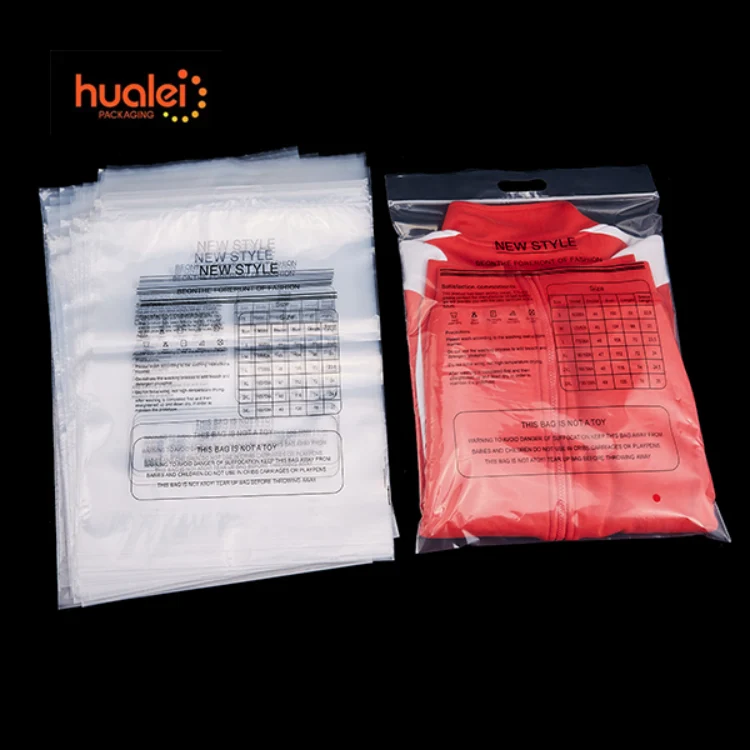
A freezer application places different demands on a resealable bag than normal room-temperature storage. freezer grade zip lock bags should be treated as a complete packaging structure rather than a thicker version of an ordinary zipper bag.
Low-Temperature Film and Zipper Compatibility
For PE-based composite zipper bags, the surface layer, heat-sealing layer, and zipper need compatible processing characteristics. A practical structure may use a modified PE facing layer, a lower-temperature heat-sealing PE layer, and a low-temperature zipper. If these elements do not match well, production can result in loose seals, crushed surface material, or stretched and deformed sealed edges.
This matters when specifying PE freezer bags for food. Choosing film and zipper separately without checking how they behave during sealing can create problems before the bag even reaches the freezer.
Zipper-Head Sealing Controls Leakage Risk
Closing the zipper teeth is only one part of the seal. The area where the zipper is heat-sealed into the bag also needs controlled pressure and temperature.
Insufficient heat around the zipper head can leave weak areas that allow air or liquid to pass. Excessive heat can crush the zipper-head area and create another leakage path.
For meat, sauces, seafood, and other moisture-containing products, the freezer bag zipper seal should therefore be checked as part of the complete bag rather than judged only by how firmly the zipper feels when pressed closed.
Thickness Alone Does Not Define Freezer Grade
A thicker film can provide more mechanical protection, but thickness by itself does not determine freezer suitability. Product shape, bag width, zipper construction, heat-sealed edges, and the behavior of the material after freezing also matter.
For that reason, freezer grade zip lock bags should not be specified using a rule such as “heavier food always needs the thickest film.” The better approach is to select a reasonable structure and verify it with the intended product.
How Should You Match the Bag to Meat and Frozen Food?
Different frozen products behave differently inside a bag. A smooth boneless portion, a piece of bone-in meat, and a sauce-filled package can place pressure on completely different areas.
Boneless Meat and Regular Frozen Portions
For regular portions of boneless meat, bag dimensions should follow the finished packed size rather than the dimensions of the fresh product alone. Once frozen, the contents become more rigid and have less ability to conform to an oversized or poorly fitted package.
For freezer bags for meat, enough space should remain for practical filling and closing, but excessive empty space may allow the frozen block to move against the seals during handling.
Bone-In Meat and Hard-Edged Seafood
Bones, shells, fins, and other hard sections can form concentrated pressure points after freezing. In these applications, film selection needs to be considered together with product orientation and bag dimensions.
A thicker film may help, but the first check should be whether a hard edge sits directly against a side seal or zipper area. A better-fitted bag or a change in how the product is positioned may reduce local stress more effectively than adding thickness alone.
Sauces, Prepared Foods, and Moist Products
Liquids and prepared foods introduce another concern: the zipper and heat-sealed areas may come into direct contact with moisture.
For zip lock bags for frozen food containing sauces or moist ingredients, buyers should allow appropriate headspace and inspect how the filled bag behaves before and after freezing. Claims such as “leakproof” should not be accepted without testing the actual packed product under the intended storage and handling conditions.
How Should Bag Size, Thickness, and Zipper Design Work Together?
Once the food type is clear, the main specification work begins. Bag width, film thickness, and zipper construction affect one another, so changing one parameter can influence the rest of the package.
Match Thickness to Product Shape and Handling
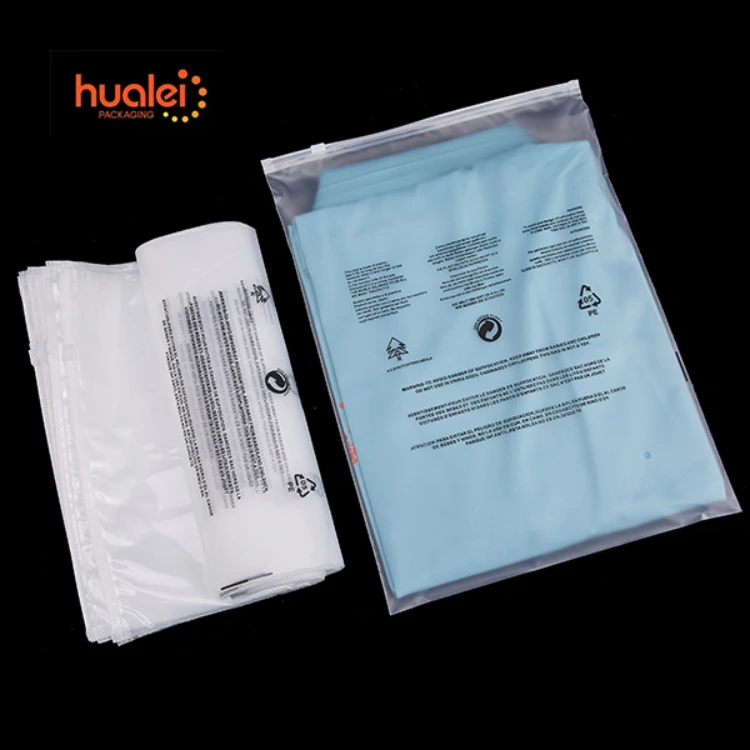
Yiwu Hualei Packaging Co., Ltd. offers zipper packaging in multiple dimensions and thicknesses. Its Zipper bag01 is available in sizes from 14 × 20 cm to 50 × 60 cm, with thickness options of 50, 55, 60, 65, 70, 75, 80, 85, and 90 microns. Custom logo and design printing is also available.
These specifications make Zipper bag01 a useful reference when discussing size, thickness, and resealable structure. It should not, however, be treated as automatically suitable for frozen food without confirming the final material structure and low-temperature performance.
Bag Width Changes Zipper Performance
Bag width affects more than capacity. It can also change the mechanical requirement placed on the zipper.
For zipper bags, wider and narrower formats may require different zipper bite characteristics. The relationship between bag width and zipper force should therefore be considered when a packaging design is scaled up or down.
This is especially relevant for custom freezer bags for wholesale, where several sizes may be ordered for different meat portions or food SKUs. Enlarging the bag without reviewing the zipper specification can introduce avoidable performance differences.
Single-Bone and Double-Bone Zippers Need Different Process Control
Single-bone zippers have defined inside and outside directions. If installed in reverse, opening force and bag performance can be affected. Double-bone zipper structures create a different production challenge because the two zipper-head areas need to be integrated without excessive pressure or heat.
Neither structure should be treated as universally superior. The correct choice depends on the application and on how consistently the zipper can be integrated with the selected bag material.
What Should Buyers Test Before a Bulk Freezer Bag Order?
A packaging specification is not complete until the bag has been tested with the actual product. Empty-bag inspection cannot reproduce the pressure created by frozen food.
Test the Actual Product in Frozen Condition
Fill the sample using the intended portion size and normal packing method, then freeze the complete package under the conditions planned for the product.
After freezing, inspect whether the film has become difficult to handle, whether hard product corners press strongly against the bag, and whether the zipper can still be opened and resealed normally. This is more useful than judging freezer zipper bags only from an empty sample.
Inspect the Zipper Head and Heat-Sealed Areas
Pay close attention to the zipper head, side seals, and other heat-sealed areas. Low sealing temperature can leave weak points, while excessive heat can damage the zipper-head structure.
For moist or liquid-containing foods, testing should use the intended contents. Visual inspection alone cannot confirm whether the sealed areas remain reliable after filling, freezing, and handling.
Recheck the Package After Handling and Carton Packing
A bag that looks acceptable immediately after freezing may still behave differently after carton loading, stacking, or repeated movement.
Check whether frozen product edges push against the seals, whether the zipper area distorts, and whether oversized bags allow too much movement. These observations can help refine the specification before a larger order is approved.
Which Packaging Format Fits the Final Food Application?
Not every food package needs freezer performance. Matching the bag to the real storage condition avoids unnecessary specification and makes product selection clearer.
Zipper bag01 for Custom Resealable Structure Reference
Yiwu Hualei Packaging Co., Ltd. manufactures OPP/BOPP bags, PE bags, CPP bags, printed bags, zipper bags, packaging film, and other flexible packaging products. For projects that require a resealable structure, Zipper bag01 provides a practical reference for multiple sizes, 50–90 micron thickness options, zipper closure, and custom printing. The MOQ is 20,000 pieces.
For freezer grade zip lock bags, buyers should discuss the final film structure, zipper compatibility, and frozen-product testing separately rather than assuming that any standard zipper bag can be transferred directly into a freezer application.
OPP Bread Bags for Ambient Food Packaging
Freezer construction is unnecessary for many foods sold and stored at ambient conditions. Hualei’s White Rubber Bag For Wrapping Bread OPP bag bread uses BOPP material with a transparent, self-adhesive structure and is intended for bread, biscuits, candy, pastries, and similar products.
The available sizes are 23 × 50 + 4 cm and 25 × 35 + 4 cm, with thickness options from 17 to 53 microns.
This provides a useful contrast: ambient bakery packaging can prioritize visibility, sealing convenience, and presentation, while frozen meat packaging needs additional attention to low-temperature material behavior and zipper sealing.
Specification Review, Custom Service, and Contact
For buyers managing several food products, it is usually more practical to define each application by product type, storage condition, packed dimensions, weight, film requirement, zipper structure, and printing need. Hualei’s broader packaging product range can then be used to compare different bag structures rather than forcing one format across every SKU.
freezer grade zip lock bags should be approved as a complete package: film, zipper, seals, product shape, and frozen-condition performance all need to work together.
If your project still needs decisions on bag size, thickness, zipper construction, sealing details, or sample requirements, prepare the packed-product dimensions, storage conditions, artwork, and expected order quantity before you contact Hualei. This gives both sides a clearer basis for specification review and sample discussion.
FAQ
Q: What makes freezer grade zip lock bags different from regular zip lock bags?
A: Freezer applications require more than a resealable zipper. Film behavior at low temperature, zipper compatibility, heat-sealed areas, product shape, and the actual frozen condition all affect performance.
Q: What thickness should freezer bags for meat use?
A: There is no single thickness that suits every meat product. Boneless portions, bone-in meat, and seafood create different stresses. Thickness should be selected together with bag size, product shape, seal design, and sample testing.
Q: Can a regular zipper bag be used for frozen food?
A: Only after its material structure and sealing performance have been checked for the intended application. A secure room-temperature zipper closure does not by itself confirm freezer suitability.
Q: How should zip lock bags for frozen food be tested before bulk ordering?
A: Test the actual product at the intended fill level and frozen condition. Check film behavior, hard product edges, zipper operation, zipper-head sealing, side seals, and the package again after normal carton handling.
Q: Are freezer grade zip lock bags suitable for liquids and sauces?
A: They can be considered for moist products, but the zipper head and heat-sealed areas require careful testing. Buyers should verify performance with the actual contents rather than relying only on empty-bag inspection.