
Freezer bags and zip lock bags are frequently found on the same shelf in stores. Thus they are often mistaken for identical products. They are not.
Freezer bags are made to be used for storing at low temperatures. This means that the films, zippers, side seals, thickness and other features have to perform when the contents are cold and hard. Zip lock bags are bags with a resealable closure. They can be used to store food, clothes, spare parts, samples, stationery, and other household items that you wish to keep clean and organized.
Some zip lock bags can go into a freezer. Some cannot. The zipper itself does not settle the question. You still need to check the material, bag thickness, packed product, storage time, and sealing quality.
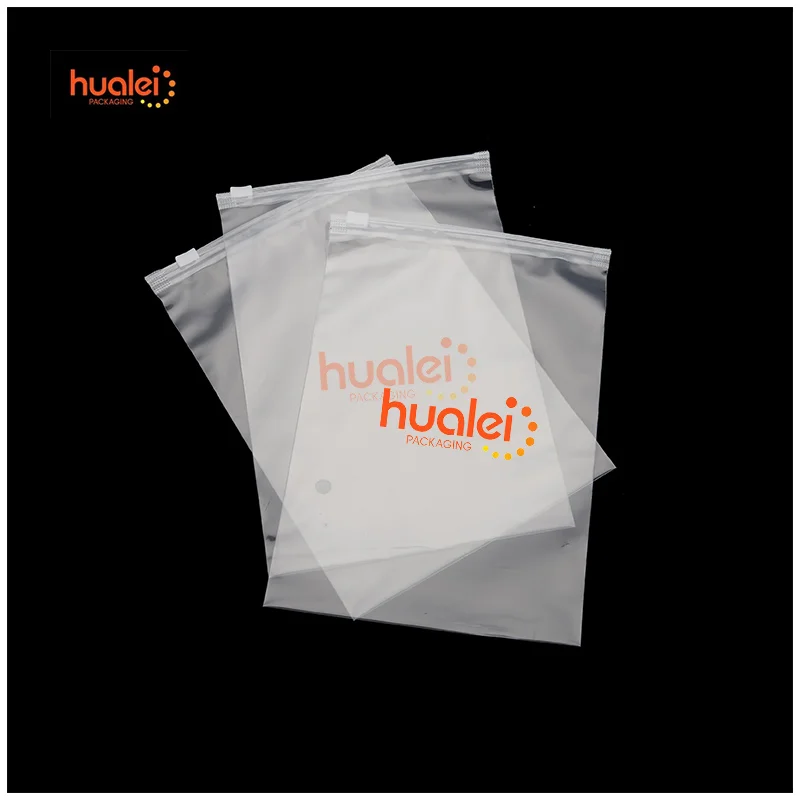
What Is the Main Difference between Freezer Bags and Zip Lock Bags?
The difference is easier to see when you stop looking at the bag shape.
“Freezer bag” tells you where the bag is meant to be used. “Zip lock bag” tells you how the bag closes. One name refers to performance. The other refers to structure.
Freezer Bags Need to Keep Working in the Cold
Food changes after freezing. Meat becomes firm. Soup expands. Vegetables can form hard edges. Several bags stacked together may press against each other for weeks.
A proper freezer bag needs enough flexibility to handle that change. It should not turn brittle around the side seals or split when the contents are moved. It also needs a stable closure because even a small opening can let air reach the food.
Freezer bags are often thicker than light storage bags, but thickness is only part of the job. A thick bag with a weak zipper can still leak. A flexible film with poor edge sealing can still break.
Zip Lock Bags Cover Many Different Uses
A zip lock bag has two tracks that press together. You can open it, take something out, and close it again. That is useful in many industries.
Clothing suppliers use them for T-shirts, jeans, underwear, and slippers. Hardware buyers use them for small parts. Retailers use them for accessories and samples. Food businesses also use them, but only when the film and sealing structure match the food and storage conditions.
This is why a normal zip lock bag should not be called freezer-safe just because the zipper closes tightly when the bag is empty.
How Do Material and Thickness Affect the Result?
Two bags may have the same width and the same zipper. One survives freezer storage. The other cracks after a few days.
Most of the difference comes from the film structure, thickness, and the way the zipper is sealed into the bag.
PE Film Is Common for Low-Temperature Storage
PE film is soft and flexible. It also has low water absorption and keeps much of its toughness at low temperatures. Those points make it a common choice for freezer bags and food storage bags.
Still, “PE bag” is not enough information for a bulk order. The grade matters. The inner sealing layer matters. The zipper material matters too.
During production, the zipper and film need compatible sealing temperatures. If the temperature is too low, the zipper area may not bond fully. If it is pushed too high, the zipper profile can flatten or the inner film can become weak. The finished bag may look fine until it is filled.
For freezer use, you should ask for a complete bag specification rather than one material name.
Thickness Should Follow the Packed Product
Thin bags work well for light items. They cost less, store flat, and are easy to handle. For bread, dry ingredients, small samples, or short storage periods, that may be enough.
Frozen meat is different. So are fish, food with bones, and packs that will be stacked in cartons. The bag wall takes more pressure, especially when the contents become rigid.
A thicker film gives more resistance to punctures and rubbing. It also helps when workers open and close the bag several times. There is no need to choose the thickest option for every order, though. The right thickness comes from the product weight, shape, storage time, and transport method.
Can Regular Zip Lock Bags Be Used in the Freezer?
Sometimes they can. The safer answer is that you should check the bag first.
A general zip lock bag may be suitable for short freezer storage when the contents are light, dry, and free from sharp edges. Long storage, liquids, heavy portions, and rough handling need more care.
Short-Term Freezing May Be Fine for Simple Products
Short-term storage of items like bread, chopped vegetables, dry ingredients, etc. in small portions can be done in a standard style zip lock bag as long as the bag remains flexible and the zipper is closed across the full width.
Do not overfill it. Leave some space if the contents contain water or liquid. Press out excess air before sealing, but avoid putting so much pressure on the bag that the zipper starts to open.
A bag that feels soft at room temperature may become much stiffer after freezing. Testing the filled bag matters more than checking an empty sample.
Long Storage Needs a Freezer-Suitable Bag
For meat, seafood, soup, sauce, prepared meals, or products with hard edges, a freezer bag is the better choice.
The zipper head is one area buyers often overlook. If the heat seal around it is weak, air or liquid may pass through. If the zipper is installed in the wrong direction, it can become difficult to open from outside or easier to push open from inside.
The side seals and bottom seal also deserve attention. A bag may pass a simple zipper test and still split when frozen packs are dropped into a carton.
Which Bag Works Better for Different Uses?
You do not need a freezer bag for every resealable packaging job. In many retail applications, a standard zip lock bag is the more practical choice.
Start with the product. Then decide what the bag needs to do.
Use Freezer Bags for Cold Food and Long Storage
A freezer bag makes sense when the contents will stay below freezing for days or weeks. You should confirm low-temperature flexibility, puncture resistance, seal strength, and zipper performance.
For liquid or semi-liquid food, leakage testing is important. For meat and seafood, check whether bones, shells, or frozen corners can damage the film. For prepared meals, leave enough space for expansion.
The goal is not simply to use a thicker bag. The bag should remain easy to close, easy to handle, and stable throughout storage.
Use Zip Lock Bags for Retail Packaging and Organization
General zip lock bags are widely used for clothing, accessories, documents, small components, and samples. Clear film helps buyers see what is inside. The resealable opening also makes unpacking and inspection easier.
This is a strong fit for Yiwu Hualei Packaging Co., Ltd., a flexible packaging manufacturer founded in 1998. The company produces BOPP bags, PE bags, CPP bags, printing bags, zipper bags, flower film, and BOPP film through multiple production lines.
Its product range gives buyers room to compare different films, closures, sizes, and printing options rather than forcing one bag design into every use.
How Do Zipper Bag03 and Zipper Bag01 Fit the Comparison?
Zipper Bag03 and Zipper Bag01 are both resealable packaging products. They are useful examples because they show how one zipper bag format can be adjusted for different uses.
They should not be presented as freezer bags without checking the final material and test result. Their current specifications make them a good base for custom discussion.
Zipper Bag03 Suits Heavier Custom Requirements
Zipper Bag03 is available in sizes from 14 × 20 cm to 50 × 60 cm. Thickness options run from 50 to 90 microns. Logo and design printing are available for wholesale orders.
For a freezer-focused project, Zipper Bag03 is the more suitable starting point. You can discuss a PE film structure, greater thickness, a low-temperature zipper, and stronger sealing around the edges.
The final specification still needs to follow the contents. A bag for frozen vegetables does not need the same structure as a bag for bone-in meat or sauce. Samples should be filled with the real product and tested at the actual storage temperature.
Zipper Bag01 Fits General Product Packaging
Zipper Bag01 is mainly suited to T-shirts, jeans, slippers, underwear, shoes, and other retail goods. It is also available in many sizes, with thickness choices from 50 to 90 microns.
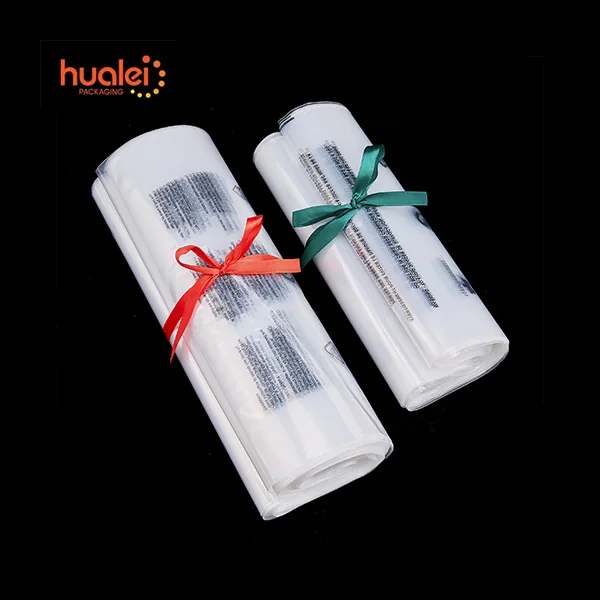
The transparent film keeps products visible while the zipper protects them from dust and routine moisture. Buyers can add a logo, product information, care instructions, or warning text.
Zipper Bag01 is a good example of a standard zip lock bag. It offers a secure closure and useful protection, but those points alone do not prove that it is suitable for freezer storage.
What Should You Check before a Bulk Order?
A zipper bag sample can look clean and well made, yet fail after filling. Bulk buyers should test more than the appearance.
The film, zipper, seals, size, and printing all need to work together.
Test the Finished Bag, Not Only the Raw Film
Ask the supplier to confirm the film structure, bag thickness, size tolerance, zipper type, and sealing method.
For freezer use, place the real product inside the bag. Freeze it for the planned storage period. Then check the zipper, side seals, bottom seal, puncture resistance, and leakage.
Drop testing is useful for heavy packs. Compression testing makes sense when bags will be stacked. Repeated opening tests help when the end user will take out part of the contents and reseal the bag.
Match the Specification to Your Packing Process
A large bag may need a stronger zipper than a small bag. A very thick bag may require different heat-sealing settings. Printed areas should not interfere with product visibility or barcode reading.
Before production, confirm how workers will fill the bags, how much weight goes into each one, and how the bags will be packed into cartons.
You can also review the company’s factory background and its packaging blog before discussing samples, specifications, and delivery.
Conclusion
Freezer bags and zip lock bags are not two names for the same product. A freezer bag is made for low-temperature storage. A zip lock bag is any bag that uses a resealable zipper closure.
Some bags meet both descriptions. Others are meant only for clothing, accessories, dry goods, or general storage.
Yiwu Hualei Packaging Co., Ltd. offers Zipper Bag03 and Zipper Bag01 in several sizes and thicknesses, with custom printing for wholesale orders. Zipper Bag03 is the better base for a heavier freezer-related custom request, while Zipper Bag01 is a practical choice for clothing and retail packaging.
For material selection, sample testing, production service, or order details, buyers can reach the team through the company’s contact page before approving the final bag.
FAQ
Q1: Are freezer bags thicker than regular zip lock bags?
A1: Freezer bags are often thicker, but material flexibility, zipper strength, and seal quality are just as important as thickness.
Q2: Can you put meat in a regular zip lock bag and freeze it?
A2: You can use some standard bags for short storage, but a freezer-suitable bag is safer for meat, especially when bones or hard frozen edges may puncture the film.
Q3: Are all PE zip lock bags safe for freezer use?
A3: No. PE is often suitable for low temperatures, but the finished bag still needs the right thickness, zipper, edge sealing, and freezer testing.
Q4: Is Zipper Bag03 suitable for a custom freezer bag project?
A4: Zipper Bag03 is a useful starting point for a custom freezer bag because it offers several sizes and thicknesses, but the final PE structure and low-temperature performance should be confirmed with Yiwu Hualei Packaging Co., Ltd.
Q5: What is Zipper Bag01 mainly used for?
A5: Zipper Bag01 is mainly used for clothing, footwear, underwear, accessories, and other retail products that need clear, resealable packaging.