
Whether a zipper on a bag is safe for food storage is determined by more than the simple act of opening and closing a zipper. In fact, the entire package, designed from the ground up for food contact, must be made of the proper material to store specific foods, within certain temperature parameters, for particular periods of time.
A clear resealable bag may look suitable for snacks, frozen products, or cooked food. That appearance proves very little. You still need to check the film, zipper strip, printing ink, adhesives, seal quality, and food-contact documents. A bag developed for clothing or general retail storage should not be treated as a food-grade zip lock bag without further confirmation.
For selecting safe food storage zipper bags, start with the application for which the bags will be used. Biscuits stored in room temperature dry storage require different packaging than do hot soup, oily meat, acid foods like fruits, and frozen seafood.
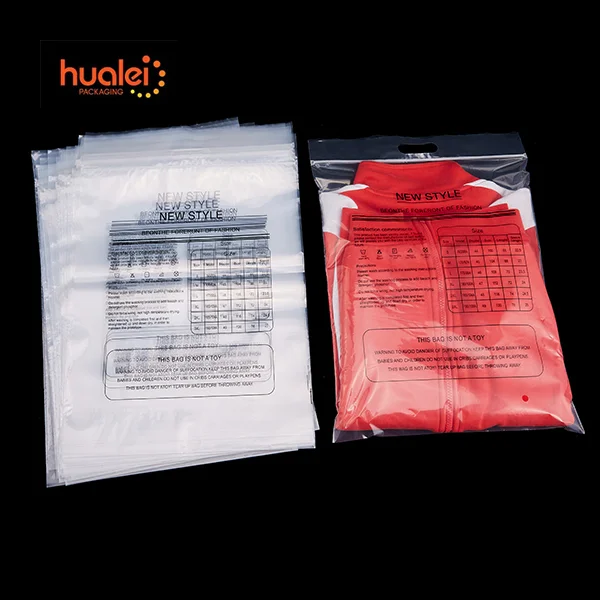
Is It Safe to Store Food in Zip Lock Bags?
Food can be stored in zip lock bags when the complete bag has been produced and verified for that use. The intended food type matters. So do contact time and temperature.
Food-contact rules also cover more than the basic plastic resin. Packaging components such as adhesives, colorants, coatings, and antioxidants may all form part of the final safety review. The intended use and possible migration into food are central parts of that review.
When Food-Grade Zip Lock Bags Are Suitable for Storage
Dry foods: nuts, tea, coffee beans, cereals, sweets, biscuits and dried fruits are best stored in food-grade zip lock bags. They should be clean, the zipper of the bag should be sealed tight and protected from the elements such as dust and moisture.
You still need documents that match the final bag. A supplier’s statement about one resin does not automatically cover the zipper strip, printing, or finished packaging. For buyers selling into regulated markets, the declaration should also match the expected food, storage time, and temperature.
Why a Zipper Closure Alone Does Not Prove Food Safety
The zipper on a storage bag opened up to feed from allows you to open up the bag to feed from it and then reseal it to prevent direct exposure to dust and moisture in the surrounding air. That is very useful but does not convert an ordinary storage bag into food-grade packaging.
The same style of clear zipper bag may be made for garments, accessories, hardware, stationery, or food. You cannot reliably separate these applications by sight. Before using a zip lock bag for food, check what it was designed to hold and whether the supplier can support that claim with relevant documents.
What Makes a Zip Lock Bag Suitable for Food Contact?
Once the basic safety question is clear, material selection becomes easier. A plastic bag is more than just a plastic bag. It is a complete packaging solution that has to withstand filling and sealing as well as storage, transport and use by the consumer.
Film, Zipper, Ink, and Adhesive Selection
The main film affects clarity, flexibility, puncture resistance, and moisture protection. The zipper must also match the film and the heat-sealing process. If these components react differently during production, the zipper area may wrinkle, weaken, or fail to close correctly.
Printed food zipper bags require extra care. Ink should stay away from direct food contact unless the complete structure is designed for that arrangement. Heavy printing may also change the way you inspect the food through the bag. A simple logo and clear product information often work better than full coverage.
Food-Contact Compliance and Migration Conditions
Food-contact compliance is tied to real use. Examples of rules for food-contact materials, such as materials used for packaging and cooking ware, are that they must not release substances in quantities which could be hazardous to human health and must not change the composition of foodstuffs, their taste or odor in unacceptable ways. Rules on plastic packaging materials are often based on stipulation of maximum levels of migration and of conditions to be used for testing. These stipulations are defined for individual food groups, and also take account of relevant temperatures and the storage life of foodstuffs.
This means a report for dry food at room temperature may not support hot filling or long-term contact with oily food. When comparing food-grade zip lock bags, ask which conditions the test covers. Do not stop at the words “food-safe.”
Seal Integrity and Zipper Performance
The zipper head is one of the hardest areas to seal well. Too little heat can leave a weak joint that leaks air or liquid. Too much heat can crush the zipper area or damage the film. The zipper direction, bite force, cooling position, and sealing temperature all affect the finished bag.
For a real order, test filled samples rather than empty bags. Open and close the zipper repeatedly. Press the filled bag. Turn it over when appropriate. Check the side seals and the points where the zipper meets the bag edges.
Which Foods Can Be Stored in Zip Lock Bags?
The food itself tells you more than the bag name. Moisture, oil, acidity, sharp edges, filling temperature, and storage method all change the specification you need.
Dry Foods and Low-Moisture Snacks
Dry snacks are the most straightforward starting point for resealable food storage bags. Nuts, tea, coffee beans, sweets, cereal, and biscuits benefit from easy opening and closing. A transparent bag also lets buyers inspect the product without opening the package.
Some factors to keep in mind for these products are moisture, clean seal, seal thickness and a zipper that opens and closes as required. Sharp corners on biscuits, hard nuts and hard sweets will require a stronger film than a soft candy even if they are packed to a similar weight.
Refrigerated and Frozen Foods
A bag used at room temperature should not automatically be described as freezer-safe. Low temperatures can affect flexibility, sealed edges, and zipper performance. Moisture may also collect around the closure when the bag moves between cold and warm conditions.
Freezer-safe zip lock bags: Test actual material at lowest storage temperature. Fill with product, let it sit for specified time. Then check seal, film and zip after thawing.
Hot, Oily, Acidic, and Liquid Foods
Do not place freshly cooked food into an ordinary zipper bag unless its temperature limit has been confirmed. Heat can soften the film and change migration conditions. It can also distort the zipper, especially when the bag is closed before the food cools.
Oily and acidic foods need their own food-contact assessment. Liquids raise another issue: leakage. A zipper is convenient for repeated access, but the full package still needs strong side seals and a suitable closure. For sauces, soups, or products with free liquid, a simple general-purpose zipper bag may not be the right structure.
How Can Zipper Bag03 Be Configured for Food Storage?
This is where product selection becomes practical. Yiwu Hualei Packaging Co., Ltd. was founded in 1998 and operates a 20,000-square-meter site with 50 production lines. Its range includes BOPP bags, PE bags, CPP bags, printed bags, zipper bags, flower film, and BOPP film. That wider production background is useful when a buyer needs to discuss film choice, sealing, printing, size, and bulk supply together. You can also read more about the factory and review its broader packaging range.
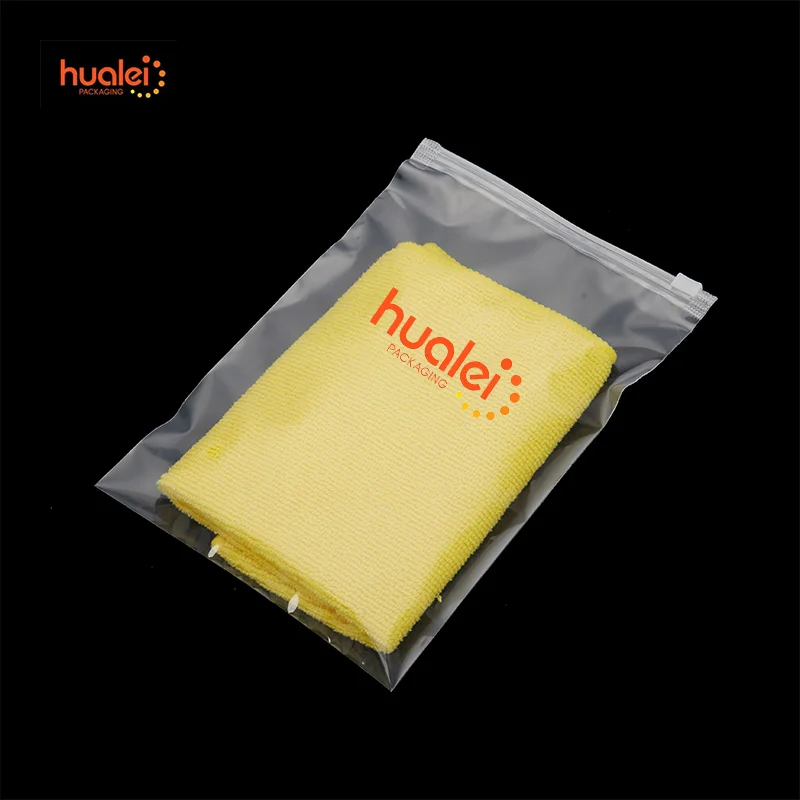
The product to consider here is Zipper Bag03. Its standard information describes a transparent zipper lock bag with custom printing, several sizes, and film thicknesses from 50 to 90 microns. The listed MOQ is 20,000 pieces. The current standard description mainly covers apparel and retail packaging, so food use should be treated as a custom application that requires suitable materials and supporting food-contact verification.
Resealable Closure for Frequent Access
The resealable zipper closure is useful when customers open a pack several times. Tea, coffee beans, sweets, nuts, and other dry goods are common examples of products that may be consumed gradually.
The zipper also supports cleaner handling after the first opening. It does not replace barrier testing or a proper initial seal, but it makes the package easier to close between uses. Sample testing should confirm opening force, bite strength, alignment, and repeated closure.
Size and Thickness for Different Pack Formats
Zipper Bag03 is available in sizes from 14 × 20 cm up to 50 × 60 cm. Thickness options run from 50 to 90 microns in 5-micron steps. This range gives you room to match small snack portions, medium retail packs, and larger storage formats.
Thickness should follow product weight and handling risk. A thicker bag usually offers more body and puncture resistance, but thickness alone does not make the bag food-grade. Food-contact material selection and compliance documents remain separate checks.
Custom Printing and Wholesale Planning
Custom printing lets you add a logo, product name, storage instruction, warning, or basic product information. For food packaging, confirm the printing side and whether the artwork stays outside the direct-contact layer.
Before requesting a quotation, prepare the food type, filling temperature, pack weight, bag dimensions, thickness target, printing artwork, order quantity, target country, and required food-contact standard. The company’s packaging blog can also help you compare materials and bag formats before finalizing a specification.
Can Zip Lock Bags Be Reused for Food?
Reusability is a separate question from food-contact suitability. A bag may be strong enough to open several times but still be difficult to clean safely after certain foods.
When Reuse May Be Reasonable
Reuse may be reasonable when the bag was made for repeated food use, previously held a low-residue dry product, and remains clean and undamaged. The zipper should close evenly, and the bag should have no split seals, scratches, odors, or stains.
Washable does not always mean reusable. Check the supplier’s directions, especially before using the bag with a different food.
When the Bag Should Be Discarded
Discard the bag when the zipper has stretched, the edges have cracked, the film has been punctured, or food remains trapped in the corners. Lingering odors and oily residue are also good reasons to stop using it.
Bags that held raw meat, seafood, or other high-risk food need particular care. A quick rinse may leave residue in the zipper channels. That creates an avoidable cross-contamination risk.
Conclusion
So, is it safe to store food in zip lock bags? Yes, when the complete bag is intended for food contact and matches the food, temperature, and storage period. Dry snacks are usually easier to package than hot, oily, acidic, frozen, or liquid foods, but every application still needs a clear specification.
For wholesale projects, Zipper Bag03 gives Yiwu Hualei Packaging Co., Ltd. a useful base for custom size, thickness, transparent display, resealable closure, and printed packaging. Food applications should be confirmed separately through material selection, sample testing, and the required compliance documents. Buyers can use the company’s available service support and contact the team with their food type, temperature range, artwork, order volume, and destination market.
FAQ
Q1: Are All Zip Lock Bags Food-Safe?
A1: No. A zip lock bag should only be used for food when the complete bag, including its film, zipper, ink, and other components, is suitable for the intended food-contact conditions.
Q2: Can You Put Hot Food in Zip Lock Bags?
A2: You should not put hot food into an ordinary zip lock bag unless the supplier has confirmed its temperature limit and food-contact suitability for that use.
Q3: Are Zip Lock Bags Safe for Freezer Storage?
A3: They can be safe when the bag is designed for freezing and its film, seals, and zipper remain stable at the required low temperature.
Q4: Can You Reuse Zip Lock Bags for Food?
A4: Reuse depends on the bag design, previous contents, cleaning result, and physical condition. Discard it if the zipper, film, or seals are damaged or if residue remains.
Q5: How Can Buyers Verify a Food-Grade Zipper Bag?
A5: Buyers should confirm the complete material structure, intended food type, contact time, temperature range, food-contact declaration, migration test conditions, printing arrangement, and filled-sample performance.