
LDPE plastic bags are made of soft, flexible low-density polyethylene. This makes them ideal for packing items that are bent or folded and will fit in a bag of this type. Examples of products that would be packaged in LDPE plastic bags include clothing. The bags can be sealed cleanly, they resist moisture and are suitable for use in cold conditions. They are commonly used for packaging in clothing, retail, storage, frozen-product, liner and general protective packaging. Although the material is suitable for a wide variety of applications, the thickness, closure, printing and resin blend will determine the performance of the finished bag.
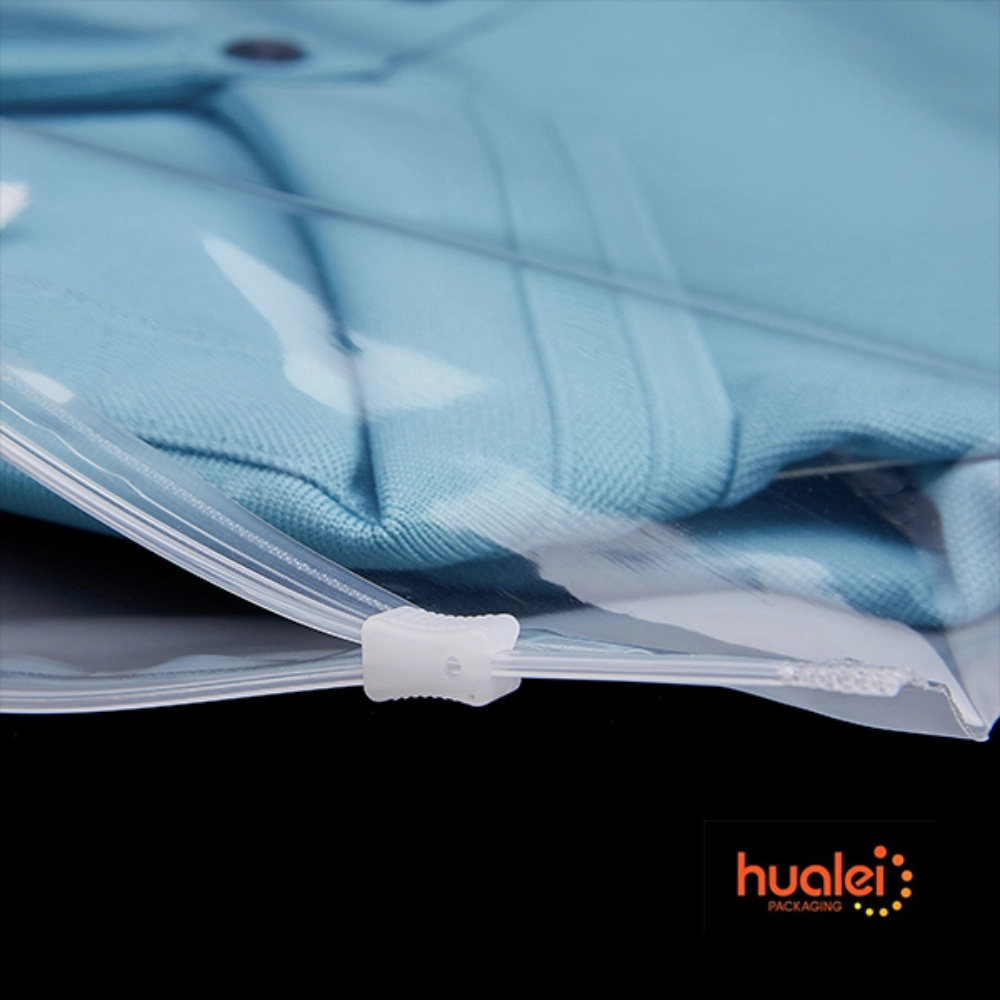
What Are LDPE Plastic Bags?
The film made from LDPE is a type of polyethylene. LDPE film is soft and flexible and has stretch due to the less tightly packed molecular structure when compared to HDPE film.
What Does LDPE Mean in Packaging?
LDPE is the abbreviation for low-density polyethylene. Usually LDPE films are converted into bags such as flat bags, gusseted bags, liners, sleeves or even zipper bags. The film may be clear or slightly cloudy, depending on its formulation and thickness.
A “PE bag” is a broad description. A gusseted bag can be made of LDPE, HDPE, LLDPE, or a combination of the above. It’s quite difficult to tell by a photo, but in quote terms it can feel very different from bag to bag.
How Are LDPE Bags Made?
The resin is first melted and formed into a thin film which is then allowed to cool. The film is then cut to size and sealed into the finished shape. Additional features, such as printing, zipper tracks, adhesive strips, warning text, etc., can also be created as part of the conversion to finished product. You can compare several common formats in the flexible packaging product range.
Film temperature, seal temperature, thickness control, and zipper compatibility all affect the result. A poor match may leave weak seals, stretched edges, or a deformed zipper area.
What Benefits and Types Do LDPE Plastic Bags Offer?
Most of our customers choose LDPE plastic bags because of their flexibility. Instead of forcing every packed item into a rigid shape, the film moves with the packed items. This allows for a variety of different bag structures to be created for different packing methods.
Flexibility, Cold Resistance, and Moisture Protection
LDPE remains flexible at low temperatures and has low water absorption. Because of this, it is often considered for frozen bags, garment packaging, protective liners, and products stored in cold or damp conditions. It can also be bent and will withstand light impact better than a brittle display film.
Not every LDPE bag is automatically freezer-ready or leakproof. When sourcing freezer grade ziplock bags, buyers should also check film thickness, seal width, zipper fit, packed-product weight, and performance at the actual storage temperature.
Heat Sealing and Easy Handling
LDPE has useful heat-sealing properties. It can be made into bottom-seal bags, side-seal bags, liners, and resealable formats. A clean seal saves packing time and reduces the need for extra tape.
A zipper enables customers to open, check contents and then close the package again. It is suitable for garments, accessories, spare parts and articles that are put away in storage after inspection.
Flat, Gusseted, and Self-Sealing Bags
Flat bags are best suited for documents, folded goods and small articles. Gusseted bags are ideal for bulky articles as they provide extra room. Self-sealing bags are ideal for use on packing lines where articles can be sealed quickly without the need for tape.
Measure the product after folding or assembly. Leave room for depth, sealing, and normal hand movement during packing. A bag that fits the flat width but ignores product depth often becomes difficult to load.
Zipper, Printed, and Custom LDPE Bags
LDPE zipper bags and other resealable zip lock bags work well when repeated opening matters. Printed bags can carry a logo, barcode, warning statement, or care note. Custom orders can change dimensions, thickness, zipper position, and packing quantity.
PE film normally needs proper surface treatment before printing. Test ink adhesion after folding, rubbing, and storage rather than judging only from a new sample.
How Do LDPE Bags Compare With Other Packaging Films?
Material comparison helps you avoid choosing by appearance alone. LDPE, HDPE, LLDPE, and OPP solve different packaging needs.
LDPE vs HDPE and LLDPE Bags
HDPE usually feels stiffer and more crinkly. It can provide good strength with thinner film. LDPE is softer and easier to stretch, with better low-temperature flexibility.
LLDPE offers stronger tear, impact, and puncture performance. Many films blend it with LDPE. LDPE is used for processing and sealing of films. LLDPE is added for toughness. Quotations should state whether they refer to pure LDPE or an LDPE/LLDPE blend.
LDPE vs OPP Bags
OPP bags are clearer, glossier, and more rigid, so they suit shelf display. LDPE plastic bags feel softer and wrap around bulky or irregular products more easily.
A small gift or hanging retail item may look better in OPP. LDPE or other PE structures may be more suitable for items such as folded clothing, reusable storage etc. This will depend on how the product is to be packed, displayed, stored and transported.
How Should You Choose LDPE Plastic Bags for Bulk Orders?
Once the material direction is clear, write a usable specification. This is where many bulk orders either become easy or start creating problems.
Size, Thickness, and Product Weight
Give the supplier the packed dimensions, including width, length, depth, closure allowance, and space above the zipper. Also state product weight and whether it has sharp corners.
Thickness should follow the actual load. Thin film may stretch or puncture, while excessive thickness raises material and freight cost without adding useful value. A light T-shirt does not need the same film as shoes, metal fittings, or a bulky textile product.
Printing, Closure, and Sample Testing
Confirm material grade, thickness tolerance, zipper type, print area, ink adhesion, odor, carton packing, and destination market. Buyers sourcing zip lock bags for food should also request the required food-contact documents for the destination market rather than relying on a general material claim.
Use the real product for sample testing. Pack it, close the zipper, pull the seams, stack the bags, and place them in the planned carton. The company’s packaging blog and news section also provide more packaging references before you finalize an inquiry.
Why Consider Zipper bag01 for Flexible Retail Packaging?
For buyers comparing flexible PE packaging options, a resealable zipper format can be a practical choice for garments and retail products. Zipper bag01 is worth checking as a reference product. The Zipper Bag contains items like T-shirts, jeans, slippers, underwear, shoes, etc. The clear body allows for good visibility of the items in the bag. The zipper allows for repeated opening and closing of the bag.
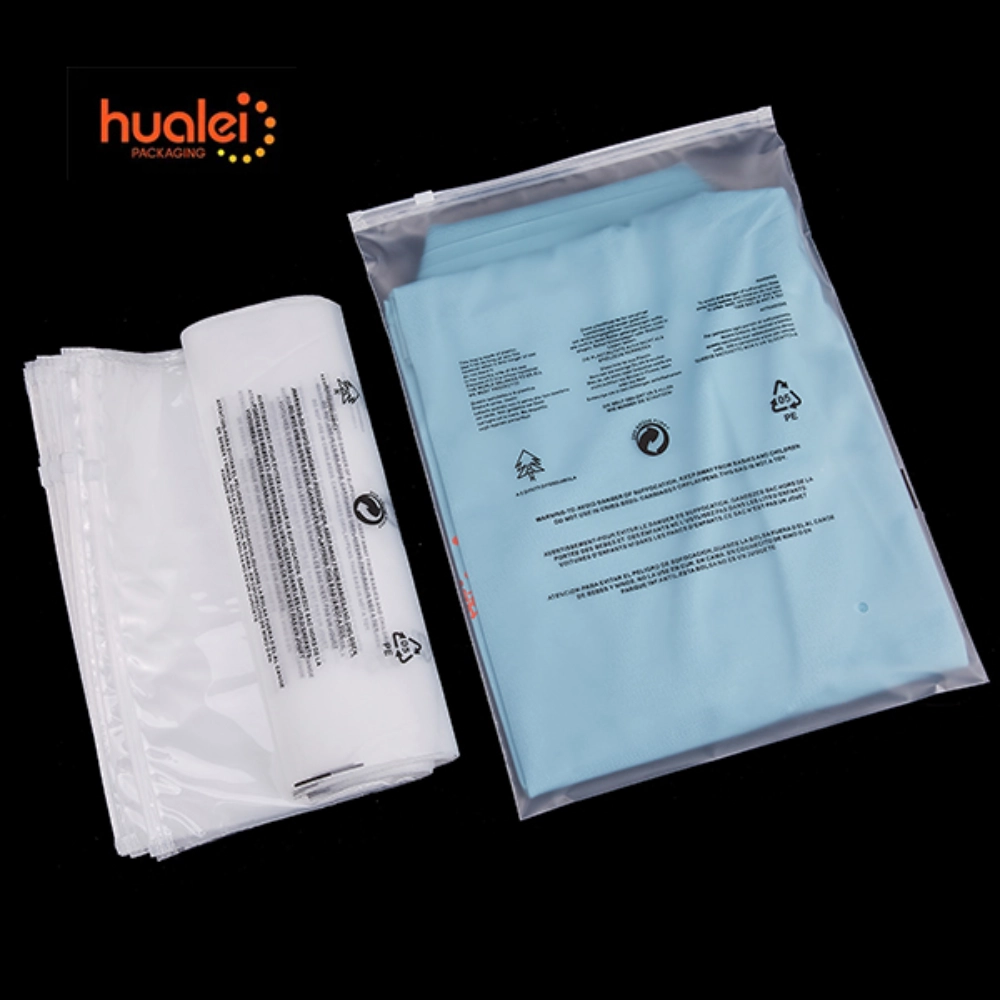
Yiwu Hualei Packaging Co., Ltd. has worked in flexible plastic packaging since 1998. Its 20,000-square-meter production base has 50 production lines, and its product range includes BOPP bags, PE bags, CPP bags, printing bags, zipper bags, flower film, and BOPP film. This range is useful when one project needs several bag structures rather than one standard material. The company supports custom sizes, printing, bulk production, and export packing. More factory information is available on its about page.
Sizes, Thicknesses, and Custom Printing
Zipper bag01 is listed in sizes from 14 × 20 cm to 50 × 60 cm, with thickness options from 50 to 90 microns. Logo printing, custom designs, and warning text are available, and the stated MOQ is 20,000 pieces.
The size range covers compact garments and larger retail items. You can choose a thicker option where repeated handling, product weight, or bulk calls for more protection.
Confirm the Resin Before Specifying LDPE
Zipper bag01 is listed as using high-quality plastic film, but the product specification does not identify a specific resin grade. If your order specifically requires LDPE, confirm whether the film is LDPE, LLDPE, HDPE, or a PE blend before approving the specification.
This material check helps match the zipper design with the required sealing performance, strength, flexibility, and storage conditions. It is especially important when the finished bag will be used for cold storage, repeated opening, or applications that require a defined PE grade.
Conclusion
LDPE plastic bags can be a good choice when you need a soft film, easy sealing, low-temperature flexibility and a package that can follow the shape of the products it contains. LDPE is not a universal alternative to HDPE, LLDPE or OPP. The choice of material must be based on several factors, including the weight of the products, their shape, the storage conditions, the display requirements and the type of closure used.
For clothing and flexible retail packaging, Zipper bag01 gives you a practical starting point. Its size range, 50–90 micron options, transparent body, zipper closure, and custom printing support fit many wholesale jobs. Yiwu Hualei Packaging Co., Ltd. can also help you compare PE, OPP, CPP, printed, and zipper bag options instead of forcing one material into every application. For custom sizes, material confirmation, wholesale service, samples, or order details, contact the service team before production.
FAQ
What Are LDPE Plastic Bags Made From?
LDPE plastic bags are made from low-density polyethylene resin. Some films also contain LLDPE or another PE grade to improve strength, puncture resistance, or processing.
What Are LDPE Plastic Bags Used For?
They are used for clothing, storage, frozen goods, retail items, liners, e-commerce packing, and general protection where soft and flexible film is useful.
Can LDPE Be Used for Freezer Bags or Ziplock Bags?
Yes, LDPE can be suitable for freezer and zipper-bag applications because it remains flexible at low temperatures, but the finished bag still needs the right thickness, seal strength, zipper fit, and low-temperature performance. If you are comparing freezer bag vs ziplock bag options, check the complete bag specification rather than judging only by the closure style.
What Is the Difference Between LDPE and HDPE Bags?
LDPE bags are softer and more flexible. HDPE bags are usually stiffer and more crinkly and can offer useful strength at a lower thickness.
Are LDPE Plastic Bags Recyclable?
LDPE generally carries resin code 4, but recycling depends on local collection, contamination, printing, labels, and whether the bag uses a single-material or multilayer structure.