
A zipper bag can look perfectly finished and still fail at the place buyers notice first: the closure. It may be difficult to open, pop apart after filling, or leak near the zipper ends even though the film and printing appear acceptable. In many cases, the problem is not simply a weak zipper. It comes from a mismatch between the zipper profile, the bag width, the film structure, and the heat-sealing process.
For wholesale packaging, the choice between a single-bone and double-bone zipper should be made as part of the whole bag specification. A single-bone zipper has a defined inside and outside direction, and the opening forces on the two sides can differ significantly. A double-bone zipper uses two interlocking tracks and is generally less dependent on direction, but the two tracks make the zipper-end seal more demanding. Neither option is automatically better. The right structure is the one that can be produced consistently with the selected film and then proven with the actual packed product. Buyers comparing custom options can start with the Yiwu Hualei Packaging Co., Ltd. range, while keeping the technical decision tied to sample performance rather than appearance alone.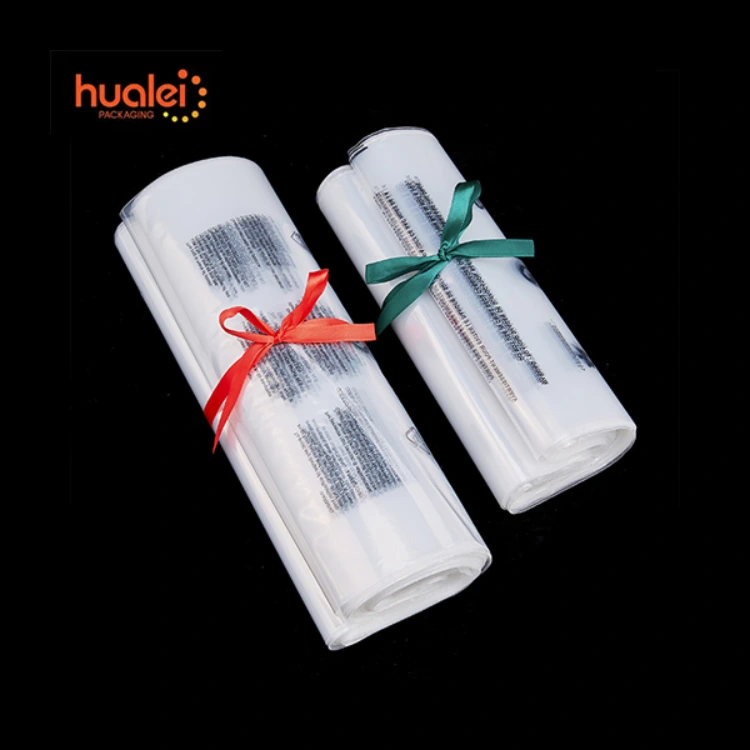
How Do Single-Bone and Double-Bone Zippers Differ
Directional Control for Single-Bone Zippers
A single-bone zipper uses one male-and-female interlocking profile. Its direction matters. One side is intended to face the bag opening, while the other faces the contents. Zipper suppliers may place a subtle identification line near the opening side so operators can recognize the correct orientation during bag making. That mark is easy to overlook, especially when clear film and clear zipper profiles move quickly through production.
If a single-bone zipper is installed in reverse, the bag may be unusually hard to open from the outside. More seriously, the side that should resist internal pressure may face the wrong way. A filled package can then push the closure apart from inside. This is why the zipper direction belongs on the approved drawing and process sheet. It should not be left to memory or treated as an invisible factory detail.
Double-Bone Zipper-End Sealing
A double-bone zipper has two interlocking tracks. In general, its inside and outside opening forces are more balanced, so orientation is less critical than it is with a single-bone profile. The production challenge moves to the ends of the zipper. Both tracks must be brought together and sealed into the surrounding film without leaving a small channel for air or liquid. Too little heat or pressure can leave the zipper end incompletely fused. Too much can flatten the profile, distort the film, or press through a sealing layer.
The extra track can be useful when a project needs a firmer reseal or when pressure is expected around the closure. It does not, however, turn an ordinary retail bag into a liquid-proof or vacuum package. Those applications require a film structure, zipper grade, seal design, and test method developed for that use. A double-bone zipper can still leak if the zipper ends or adjacent seals are poorly formed.
Choosing the Right Zipper Structure
A single-bone zipper is often a practical choice for apparel, accessories, documents, and other dry retail goods when the factory can control orientation consistently. It can provide an easy, familiar reseal without adding unnecessary complexity. The buyer should still confirm which side opens, how much force feels acceptable, where the zipper sits in relation to the product, and how much space remains above the closure.
A double-bone zipper may be appropriate when the project calls for a firmer closing feel or a specific two-track design. It deserves additional attention at the zipper ends and in any application involving fine powders, liquids, vacuum, or internal pressure. For such contents, visual inspection is not enough. The sample must be tested for the actual failure mode, and the result should be written into the acceptance standard.
How Bag Width and Product Load Affect Zipper Choice
Match Bite Force to Bag Width
Bag width changes the way a zipper feels and performs. A narrow accessory bag can use a lower opening force because the user grips a short closure and the contents place limited force across it. A wide garment bag creates more leverage along the zipper. If the bite is too light, the closure may separate when the packed item shifts or when workers push air out before carton packing. If the bite is too strong, customers may pull on the film instead of the grip area and damage the top of the bag while opening it.
Product Shape and Headspace
Product shape matters as much as weight. A folded T-shirt applies broad, soft pressure, while a shoe box corner, buckle, metal part, or stiff accessory creates a concentrated load. The same zipper and thickness may perform differently with these products. Headspace also matters. When a bag is filled to the zipper line, the contents continually push against the closure. A small allowance above the product can reduce stress and make repeated opening easier.
For that reason, a successful small sample should not be enlarged by changing only the dimensions. The larger version needs its own check of zipper bite, film thickness, seal width, and packed-product movement. The bulk zipper bag specifications should record material, thickness, size tolerance, closure performance, and repeat-order requirements before pricing is compared.
Why Film and Heat-Sealing Compatibility Matter
Coordinate Film Ink Adhesive and Zipper
The zipper is only one part of a heat-sealed package. The outer film, sealing layer, printed ink, laminating adhesive, zipper resin, and machine settings must work within a compatible temperature range. A closure can have the correct profile and still fail because the surrounding layers react differently to heat. The visible symptom may be a loose zipper end, wrinkled film, delamination, a stretched seal, or a groove that has been pressed flat.
BOPP and matte OPP surfaces are often chosen for clarity, stiffness, or a refined appearance. In zipper-bag conversion, they need inks and adhesives that tolerate the heat used at the closure area. A narrow unprinted margin near the side seal can also reduce the risk of ink interfering with the seal. The lower sealing layer and zipper should be selected so they can bond without exposing the outer layer to unnecessary heat. Increasing temperature to solve a weak seal can create a different defect elsewhere.
Set a Compatible Sealing Window
PE-based structures bring another set of trade-offs. PE is flexible and useful for clothing and general retail packaging, but it can stretch or soften during bag making. The outer PE layer, inner sealing layer, and zipper profile need a workable heat-sealing window. When they do not match, the seal may remain loose at a low setting and deform at a higher one. The practical solution is a compatible structure and controlled process, not a thicker film chosen in isolation.
A purchase order should not specify only “single-bone” or “double-bone.” It should identify the film or laminate, finished thickness, zipper material or approved sample, opening direction where applicable, print coverage near the seals, and expected use. A retained production sample gives both sides a clearer standard than a zipper name alone.
What to Test Before Bulk Production
Test the Filled Package
Testing should begin with the real product, not an empty bag. Fill the sample to the proposed weight and volume, close it as a customer would, and move it through the expected packing sequence. Open and close the zipper repeatedly. Watch whether the tracks engage evenly, whether the ends begin to separate, and whether the user has to pull on the film. Then place the bags in the planned carton arrangement and check the lower layers after stacking.
Inspect the zipper area under good light. Whitening, stretched film, flattened grooves, wrinkles, or local delamination can indicate excessive heat or pressure. A closure that feels firm on the first cycle may weaken after repeated use if the profile was damaged during sealing. If the package needs to resist dust, fine particles, air, or liquid, use a test designed for that content instead of assuming that a closed zipper is airtight.
Keep the Approved Production Sample
Keep the approved sample as the production standard. Record the bag dimensions, thickness, zipper type and direction, opening feel, seal appearance, artwork position, and packing method. Repeat orders are more stable when those details are retained instead of rebuilt from a photo or old invoice. For products intended for repeated use, zipper bag reusability should be evaluated against the number of opening cycles required for the packed product.
How Hualei Zipper Bags Fit a Custom Project
Zipper Bag01
Zipper Bag01 is a clear, resealable packaging option for T-shirts, jeans, slippers, underwear, shoes, and other retail goods. Available sizes range from 14 × 20 cm to 50 × 60 cm, with thickness choices from 50 to 90 microns. Custom logo and design printing are available, and the minimum order quantity starts at 20,000 pieces.
Zipper Bag03
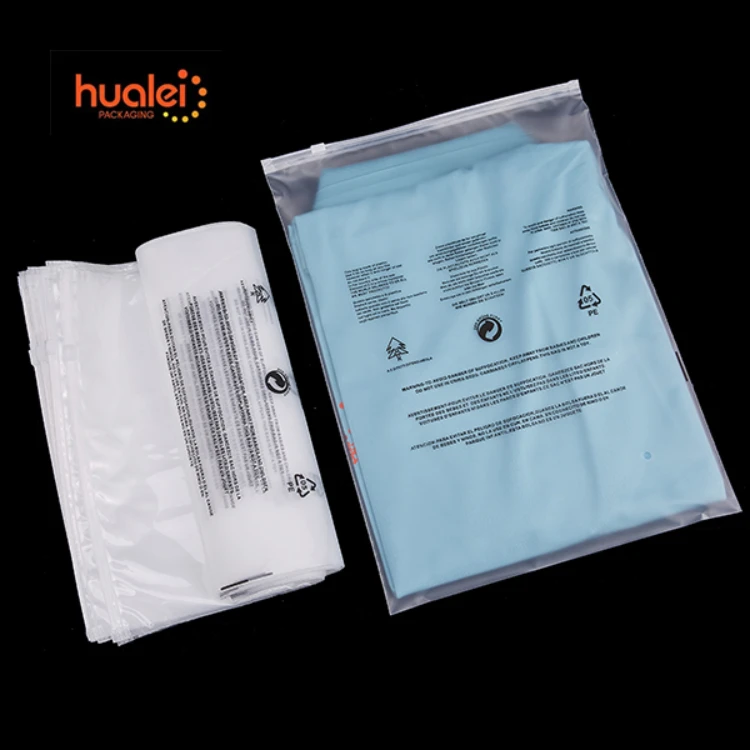
Zipper Bag03 is another clear zipper-lock option for clothing, footwear, underwear, retail, and wholesale packaging. It is available in sizes from 14 × 20 cm to 50 × 60 cm and thicknesses from 50 to 90 microns, with custom printing. The zipper profile should be confirmed separately for each custom order because the bag model and zipper structure are not interchangeable specifications.
Confirm the Custom Specification
Hualei’s broader flexible packaging product range includes zipper bags and other film-based packaging formats. Yiwu Hualei Packaging Co., Ltd. was founded in 1998 and manufactures BOPP bags, PE bags, CPP bags, printing bags, zipper bags, flower film, and BOPP film. For a zipper-bag project, send the packed product dimensions, weight, film preference, zipper structure, opening requirement, artwork, quantity, destination, and any leakage or reuse requirement. The Hualei contact team can review the custom specification and arrange sampling.
Conclusion
Single-bone and double-bone zippers solve different production and use problems. A single-bone zipper demands strict directional control. A double-bone zipper reduces that directional concern but makes the two-track zipper-end seal more sensitive. Bag width, product pressure, film structure, and heat-sealing conditions can change the result more than the zipper name suggests.
For wholesale packaging, approve a filled and handled sample before bulk production. Keep the confirmed zipper direction, opening force, film, thickness, seal condition, artwork, and carton arrangement as part of the repeat-order standard. That approach gives the buyer a closure that works in the finished package, not just a technically correct zipper on paper.
FAQ
What Is the Main Difference Between a Single-Bone and Double-Bone Zipper
A single-bone zipper has one interlocking profile and normally has a defined inside and outside direction. A double-bone zipper uses two interlocking tracks and generally has more balanced opening forces on both sides. The double-bone design requires careful sealing where both tracks end.
Is a Double-Bone Zipper Always Stronger
No. Performance depends on the zipper profile, film, bag width, sealing process, and packed product. A double-bone zipper can still leak or fail if its ends are not integrated correctly, while a properly installed single-bone zipper can perform reliably for many dry retail products.
Why Does Bag Width Change the Required Zipper Bite
A wider bag places more leverage across the closure during filling, handling, and opening. The zipper needs enough resistance to stay closed without becoming so difficult to open that the user stretches or tears the film. Each major size change should therefore be tested as a finished bag.
What Should a Buyer Send Before Requesting a Wholesale Quote
Send the packed product dimensions, weight, shape, bag size, preferred film, thickness, zipper structure, opening requirement, print artwork, expected quantity, storage and shipping conditions, and any leakage or reuse test. These details allow the supplier to prepare a relevant sample instead of guessing from a generic bag description.