
When customers ask about CPP vs OPP film, the first question is usually simple: which film is better for my packaging?
In practical terms, CPP films and OPP films are not alternatives to each other. They are both made from polypropylene, but have distinct properties. The two films are generally used for different parts of a packaging structure.
For example, a snack bag may use BOPP film on the outside for printing and appearance, while CPP is placed on the inside to create the heat seal. The two films work together instead of competing with each other.
Before choosing a film, buyers can review Hualei’s polypropylene film packaging guide to understand how polypropylene films are used in different packaging applications.
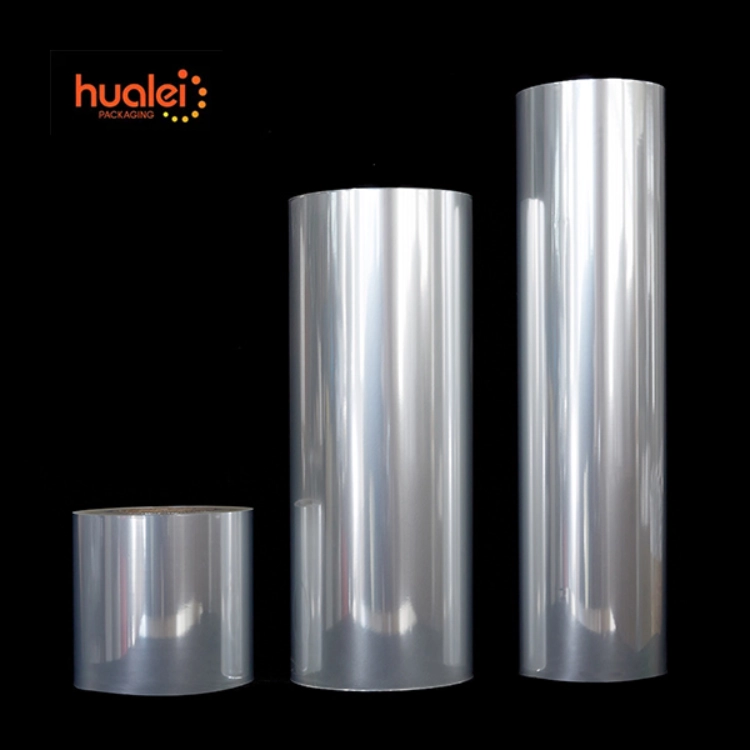
CPP and OPP Film Are Made for Different Jobs
The difference between CPP and OPP film starts with how they are produced.
Why CPP Is Used on the Sealing Side
CPP (Cast Polypropylene) is produced through a casting process. The polypropylene resin is melted and formed into film without the stretching process used for BOPP.
Because of this production method, CPP remains flexible and has good elongation. This property is useful when the film needs to follow the shape of a package during filling and sealing.
In food packaging production CPP is often used as the sealing layer. The CPP layer in contact with the inner film of the packaging bag softens at the correct temperature to ensure a tight seal when the bag is passed through the sealing machine.
This is especially important for products such as bread, biscuits, snacks, confectionery, and frozen food.
A sealing layer that is too rigid may create problems during high-speed packaging. CPP helps converters maintain smoother production because the film can handle folding and movement better.
For laminated packaging, CPP is often combined with other films rather than used alone. A common structure is:
BOPP / Adhesive / CPP
The outside film handles printing and appearance, while CPP handles the sealing process.
Why BOPP Is Preferred for Printing and Appearance
OPP refers to oriented polypropylene film, while BOPP means biaxially oriented polypropylene film.
During manufacturing, BOPP is stretched in two directions. This process improves stiffness, transparency, gloss, and dimensional stability.
For brands selling products in supermarkets or retail stores, appearance is important. A package needs to look clean after printing, transportation, and storage.
This is why BOPP film is widely used for:
- snack packaging;
- bakery packaging;
- transparent packaging;
- printed flexible bags;
- gift and retail packaging.
Compared with CPP, BOPP usually provides a harder and more stable surface, which makes it suitable for printing and lamination.
Customers comparing different oriented polypropylene films can also read Hualei’s OPP vs BOPP film comparison guide.
Why Many Food Bags Use BOPP and CPP Together
In flexible packaging, one film rarely provides every property required.
A food package may need:
- a printable surface;
- a strong seal;
- good appearance;
- suitable barrier performance;
- stable performance on packing machines.
Using a single film for all these requirements is often difficult.
Example: BOPP/CPP Structure for Food Packaging
A typical BOPP/CPP structure works like this:
The BOPP layer faces the outside. It provides the printed surface and protects the package appearance during transportation.
The CPP layer faces the product. It creates the heat seal after filling and closing.
An example would be a colorful biscuit bag. From the outside you can see the printing but from the inside there is a CPP sealing layer which the packaging machine uses for the sealing process.
This structure is widely used because it matches the actual needs of flexible packaging production.
However, the exact structure still depends on the product. Frozen food, oily products, and long shelf-life food may require additional barrier materials or different film grades.
Can BOPP Film Be Heat-Sealed?
This question often appears during film selection.
Standard BOPP film is not normally used as the only sealing layer. The oriented structure makes direct heat sealing more challenging.
However, heat-sealable BOPP grades are available. These films are specially designed with sealing properties and can be used for certain applications.
Therefore, buyers should check the film specification instead of judging only from the name “BOPP.”
During sampling, it is better to test the actual film with the printing, lamination, and sealing conditions that will be used in production.
Choosing Polypropylene Film for Different Food Packaging Applications
Different products place different demands on packaging film.
Bread Packaging
Bread packaging needs a balance between visibility and sealing performance.
Many customers want the product to be clearly visible while keeping the package clean and attractive. CPP can provide the sealing function, while BOPP-based materials can improve the outside appearance.
Hualei supplies clear bread bags for bakery packaging for customers who need transparent packaging solutions.
The final choice depends on the bread type, packing machine, storage environment, and required shelf life.
Snacks and Confectionery Packaging
Snack packaging is one of the common applications for BOPP/CPP structures.
The outside BOPP layer supports high-quality printing and branding. The CPP layer helps the package seal properly after filling.
For products that need stronger protection against oxygen, moisture, or light, additional layers may be added, such as metallized film, PET, EVOH, or aluminum foil.
Frozen Food Packaging
Frozen products require more attention because temperature changes can affect film performance.
A package that works well at room temperature may behave differently after freezing and storage.
For frozen food projects, testing the finished package under real conditions is more reliable than selecting film only from technical data.
What Buyers Should Check Before Ordering Polypropylene Film
Many packaging problems happen because buyers focus only on film name or thickness.
A successful packaging project requires checking the complete structure.
Film Grade Matters More Than Film Name
“BOPP film” or “CPP film” describes a general category, but different grades can have different performance.
For example, two BOPP films may have different printing performance, sealing properties, or lamination compatibility.
Before ordering, buyers should confirm:
the exact film grade, thickness, width, printing requirements, sealing method, and final application.
Testing Before Mass Production
A film roll may look suitable during inspection but perform differently after printing, laminating, and bag making.
During production trials, converters usually check:
- printing quality;
- lamination strength;
- sealing temperature;
- seal performance;
- finished bag appearance.
This process helps identify problems before large-scale production.
For food packaging, testing the complete bag is more meaningful than testing the film alone.
Hualei Polypropylene Film Solutions
Hualei provides flexible packaging materials including OPP/BOPP film, CPP bags, PE bags, printed packaging, zipper bags, and customized packaging solutions.
More information about the company is available on the Hualei About Us page.
For customers who need film before bag conversion, Hualei supplies OPP/BOPP Roll Film for printing and bag making.
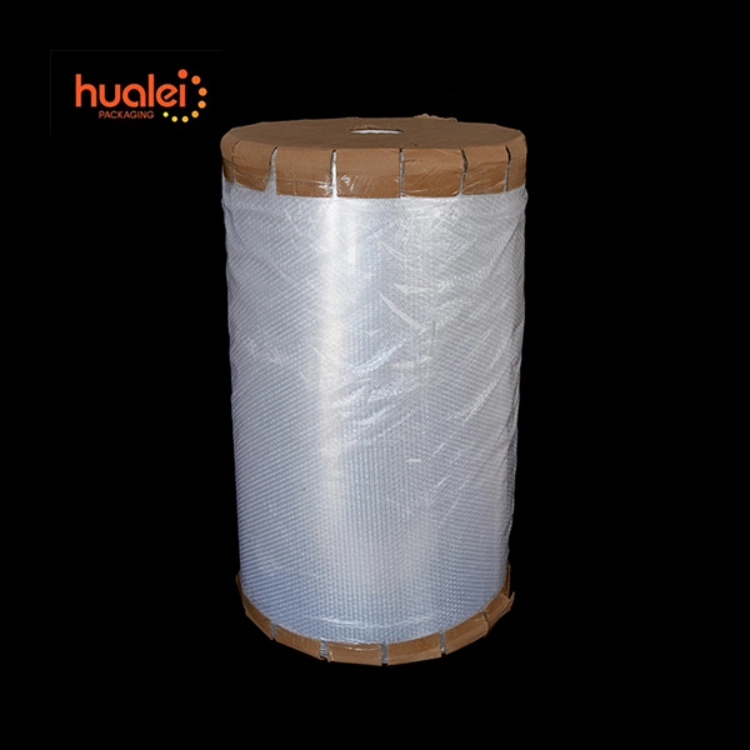
The roll film can be used for applications including bread packaging, flower packaging, and other retail packaging projects. Different widths, thicknesses, and customized printing options are available according to customer requirements.
Customers looking for more packaging options can also visit Hualei’s product range page.
For customized polypropylene film requirements, printing projects, or packaging solutions, buyers can contact Hualei Packaging with product details and application information.
FAQ
Is CPP or OPP film better for food packaging?
CPP and OPP are used for different purposes. CPP is often selected for sealing applications, while OPP/BOPP is widely used for printing, appearance, and stiffness.
Many food packages use both materials together.
What is the main difference between CPP and BOPP film?
CPP is more flexible and commonly used as a sealing layer. BOPP is more rigid and often used as an outer printing layer.
Can BOPP film replace CPP film?
Usually not. The two films solve different packaging requirements. BOPP focuses more on appearance and printing, while CPP focuses more on sealing performance.
Why is CPP used inside food bags?
CPP provides flexibility and heat-sealing performance, making it suitable for the inner layer of many laminated food packages.
Is BOPP suitable for printed packaging?
Yes. BOPP is widely used for printed packaging because it provides good transparency, gloss, and surface stability.