
In the fast-paced world of flexible packaging, you often face a tough choice between BOPP film and BOPA film. Each plays a vital part in the mix, yet nailing the proper pick could spell success or disaster for your item’s freshness and looks. BOPP— that’s biaxially oriented polypropylene— really stands out for routine stuff, say snack wrappers or stickers, mostly on account of its sharp see-through quality and solid durability. Meanwhile, BOPA, the biaxially oriented polyamide kind, jumps in for those heavier-duty tasks demanding real muscle, like bags sealing in vacuum-packed cuts of meat.
As someone who’s spent years knee-deep in packaging lines, I can tell you Yiwu Hualei Packaging Co., Ltd. stands out as a go-to supplier. Founded back in 1998, this company has grown into a powerhouse with 50 production lines across 20,000 square meters, pumping out BOPP bags, PE bags, and roll films worth millions each year. Their focus on quality shows in products like transparent OPP bags for clothing or polka dot printed ones for jewelry, all customizable with your logo.
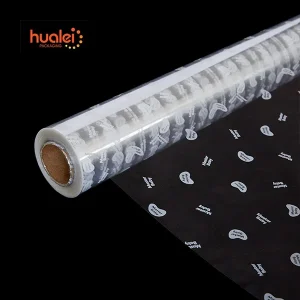
What Defines BOPP Film And How Does It Differ From BOPA?
You start by looking at the basics to tell these films apart. BOPP comes from polypropylene, a crystalline polymer stretched in two directions for better strength and shine. BOPA, made from polyamide or nylon, gets its own biaxial pull but leans on different chemistry for unique perks. This foundation shapes everything from how they handle in machines to what ends up on store shelves.
Core Material Composition
BOPP builds on polypropylene resin, which stays colorless, odorless, and non-toxic. Its molecular chains align during stretching to boost crystallinity up to noticeable levels. BOPA relies on polyamide, giving it a tougher backbone but higher moisture sensitivity. You see this in real runs—BOPP holds steady for dry goods, while BOPA flexes better under wet conditions like fresh produce packs.
Biaxial Stretching Process
Both films use flat or tubular methods to stretch longitudinally then transversely. BOPP often goes stepwise for even thickness from 10 to 60 microns, perfect for labels. BOPA’s process demands tighter controls to avoid brittleness, hitting similar micron ranges but with more emphasis on uniform orientation. Factories tweak preheating temps based on output; higher speeds mean hotter rolls for BOPP to prevent breaks.
Primary Applications In Flexible Packaging
BOPP rules in printing and laminating for snacks or cigarettes, thanks to its gloss and low cost. BOPA fits vacuum or retort pouches for meats, where its oxygen block shines. In a busy line, you might grab BOPP for quick bread wraps, but switch to BOPA for boil-in-bag meals that need that extra seal.
Why Is Transparency A Key Indicator Between BOPP And BOPA?
Clarity often jumps out first when you unroll a sample. Hold it to light, and the differences pop. BOPP’s high transparency, over 90 percent, lets you see contents crisp, like spotting a biscuit’s texture through the wrap. BOPA trails a bit, around 80 to 85 percent, which suits opaque needs but can dull visuals for clear packs.
High Clarity Levels In BOPP
This film hits glass-like shine from its oriented chains, ideal for showcasing candies or teas. In tests, it scores top on haze metrics, under 2 percent for premium rolls.
Moderate Transparency In BOPA
Nylon’s structure scatters light more, leading to that subtle fog. It works fine for frozen veggies where you don’t mind a soft view. But for jewelry bags, this could hide the sparkle, pushing you toward BOPP instead.
Visual Inspection Methods For Quick Differentiation
Grab a sample and compare against a white backdrop. BOPP lets text print bold underneath without blur. For BOPA, edges might soften. A quick bend test shows BOPP’s snap-back versus BOPA’s slight give. These tricks save hours in supplier audits.
How Do Mechanical Strengths Compare In BOPP Versus BOPA Films?
Strength matters when films face rough handling in transit. BOPP offers balanced pull in both directions, around 200 MPa tensile, from its stretch process. BOPA edges ahead in impact, hitting 250 MPa, thanks to nylon’s inherent toughness. You weigh this based on your load—light snacks versus heavy cheeses.
Tensile Strength And Tear Resistance
BOPP resists tears up to 10 grams per micron, holding firm on snack bags. BOPA doubles that in cross direction, great for punctured risks like bone-in meats. In one factory trial, BOPP tore clean on a snag, but BOPA just dented.
Puncture And Impact Durability
Nylon’s edge shows in drops; BOPA survives 50 percent more force before leaking. BOPP shines in flat pulls, though, for zipper bags that need even stress.
Flexibility And Handling Characteristics
BOPP stays stiff yet folds easy, machine-friendly at high speeds. BOPA softens with humidity, which can snag rollers if not dried right. You notice this in summer runs—BOPP glides, BOPA might stick a touch.
What Role Does Heat Resistance Play In Distinguishing BOPP From BOPA?
Heat tests reveal limits fast. BOPP softens around 140 degrees Celsius, fine for standard seals. BOPA pushes to 180 degrees, handling steam without warp. This decides if your pack survives a microwave zap or boil.
Thermal Stability Limits
Polypropylene in BOPP melts at 165 degrees, stable for most lines. Nylon’s higher melt point in BOPA, 220 degrees, suits high-heat apps. Exporters to hot climates favor BOPA for less shrinkage in storage.
Sealing And Processing Temperatures
BOPP seals at 120 to 140 degrees, quick for bread films. BOPA needs 150 plus, but bonds stronger. In retort trials, BOPA held 121 degrees for 30 minutes without peel—BOPP might bubble.
Suitability For Retort And Sterilization Packaging
BOPA owns this space for soups or meds, blocking oxygen post-heat. BOPP works for dry goods but skips intense cooks. You save on rejects by matching heat to film early.
When Should You Choose BOPP Over BOPA For Cost-Effective Solutions?
Cost hits home for bulk orders. BOPP runs cheaper at 0.91 density, lighter rolls mean lower shipping. BOPA’s 1.14 density adds weight and price, about 20 percent more. Go BOPP for volume plays where margins count.
Material Density And Pricing Factors
Lighter BOPP cuts freight by kilos per pallet. Nylon’s density spikes costs for long hauls to South America. Base quotes on microns—20-micron BOPP undercuts BOPA every time.
Long-Term Shelf Life Benefits
Both extend freshness, but BOPP’s moisture block suits dry snacks for six months plus. BOPA fights oxygen better for fats, yet costs more upfront. Balance with your market—BOPP wins for everyday exports.
How Can Barrier Properties Help Identify BOPP Vs BOPA Instantly?
Barriers guard against air and wet. BOPP blocks water vapor well, under 1 gram per square meter daily. BOPA excels on oxygen, down to 10 cc per square meter. A simple water drop test shows BOPP’s quick bead-up versus BOPA’s slow soak.
Moisture And Gas Barrier Performance
BOPP’s oriented layers trap humidity, key for cookies staying crisp. Nylon absorbs some, so BOPA pairs with coatings for meats. In humid Middle East runs, BOPP edges out on pure dry hold.
Oxygen Permeability Rates
BOPA slashes oxygen to near zero, preserving reds in hams. BOPP allows more, fine for breads but not fats. Labs measure this in hours—BOPA halves transmission fast.
Testing Techniques For Barrier Evaluation
Drop a wet cloth on samples overnight. BOPP stays dry inside; BOPA might fog. For gas, a cheap permeameter kit confirms in minutes.
What Makes Yiwu Hualei’s BOPP Roll Films Stand Out For Exporters?
Sourcing top BOPP means eyeing suppliers who nail consistency. Their roll films, from 5 cm to 180 cm wide and 17 to 53 microns thick, fit bag making or direct wraps. Custom prints add your logo, turning packs into ads. For exporters, this means less waste and quicker turns.
Premium Quality In Roll Film01
This Roll film01 offers heat-seal ease for food pouches, with clarity that pops products. Annual output hits 20 million dollars in films like this—reliable for bread or gifts. You get eco-friendly recyclable stock, light on density at 0.91.
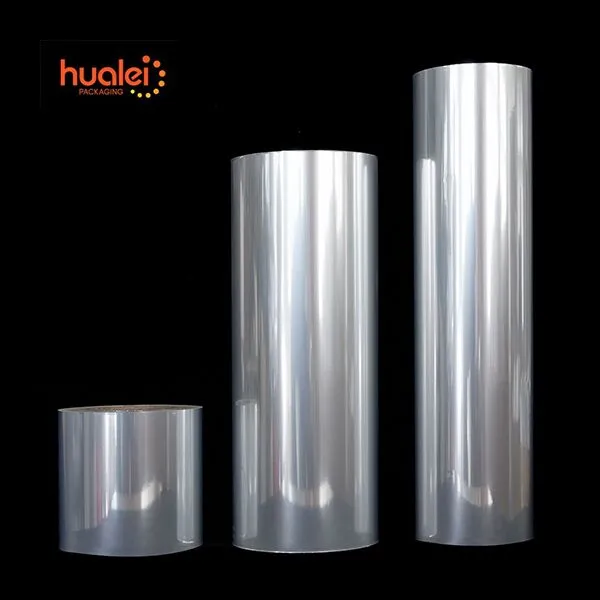
Versatile Options In Roll Film03
Check the Roll film03 for flower or retail wraps. It stretches uniform, resists punctures in transit. Thickness choices match your needs, from light 17 mic for labels to heavy 53 for tough hauls. Bulk at 1,000 kg minimum keeps costs down.
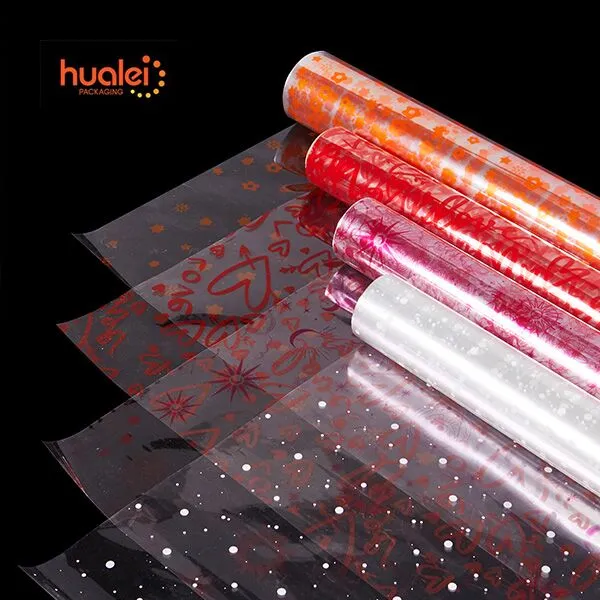
Customization And Bulk Sourcing Benefits
Print designs direct, no extra steps. Fast ships to your ports, 15 to 20 days lead. Their blog shares tips on trends, helping you stay ahead. Bulk deals stretch your budget further.
In wrapping up, you now have solid ways to spot BOPP from BOPA on sight—transparency, strength, heat, barriers, and cost all point the way. Lean on BOPP for most flexible needs; save BOPA for the heavy hitters. Head to Yiwu Hualei for samples that match these specs. Quote your next run today.
FAQ
Q1: Can BOPP film replace BOPA in all food packaging?
A: No, BOPP works great for dry or light items like snacks, but BOPA’s oxygen block makes it better for meats or anything needing longer freshness under air exposure.
Q2: How thick should I go for BOPP rolls in clothing bags?
A: Start with 22 to 30 microns for balance—thin enough to save weight, thick for tear hold during shipping stacks.
Q3: Does humidity affect BOPP more than BOPA?
A: Yes, BOPP resists moisture better overall, but BOPA can absorb some and needs drying before runs to avoid machine jams.