
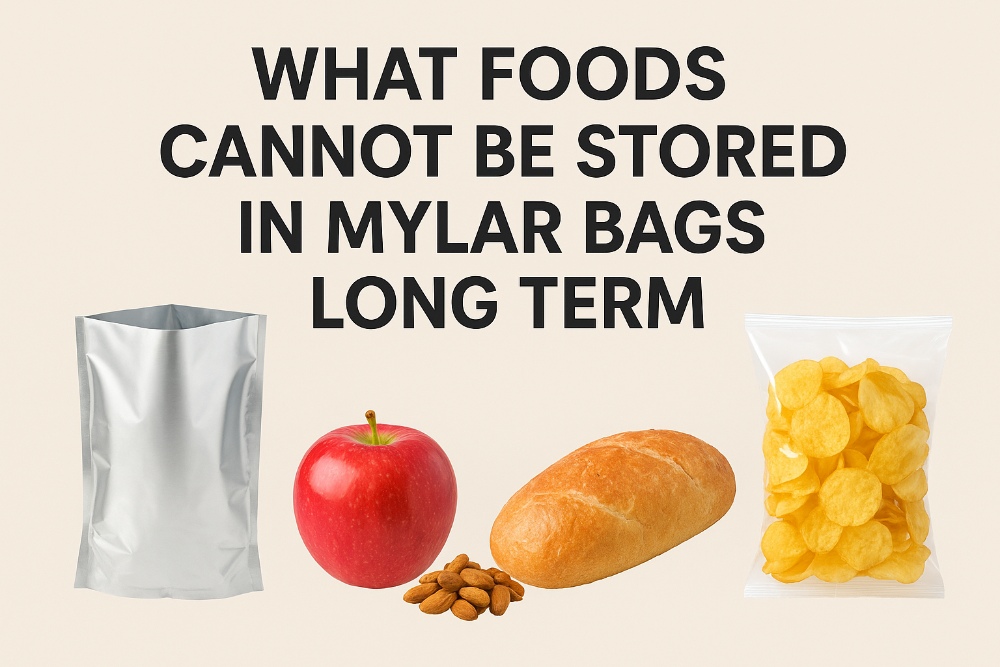
Mylar bags serve as a fundamental solution for long-term food storage because they provide superior barrier protection. The storage method using Mylar bags does not work for all food items. The storage of particular food items in low-oxygen environments leads to spoilage and degradation and creates safety hazards. The following guide identifies which food items should avoid Mylar bag storage for long-term preservation while presenting alternative packaging solutions. Yiwu Hualei Packaging Co., Ltd. serves as a leading supplier who provides food-safe bags for short and mid-term storage needs.
Why Can’t All Foods Be Stored in Mylar Bags Long Term?
Sealed storage environments become vulnerable to spoilage because food properties including moisture levels and oil content and fermentation processes can cause deterioration. The knowledge of these storage restrictions enables you to maintain your food supplies in safe condition for consumption.
High Moisture Content Promotes Spoilage
The presence of more than 10% moisture in foods creates conditions for microbial growth to occur even when oxygen is removed from the environment. The combination of moisture and lack of oxygen inside Mylar bags creates an environment where mold and bacteria can multiply.
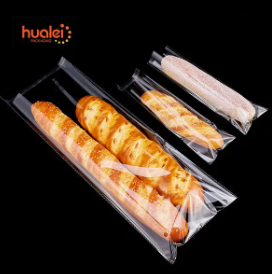
The storage of fresh fruits and vegetables and cooked meals represents high-risk items. The internal moisture of these items causes them to deteriorate rapidly so they should not be stored for extended periods. The White Rubber Bag For Wrapping Bread OPP bag bread provides a clear durable solution with easy sealing for retail or bakery environments when used for short-term containment of fresh baked goods and produce.
High Oil Content Leads to Rancidity
The combination of nuts and seeds and granola bars with oil will eventually become rancid because of oxidation. The addition of oxygen absorbers helps prevent spoilage but they cannot stop the complete degradation of oils when stored at room temperature.
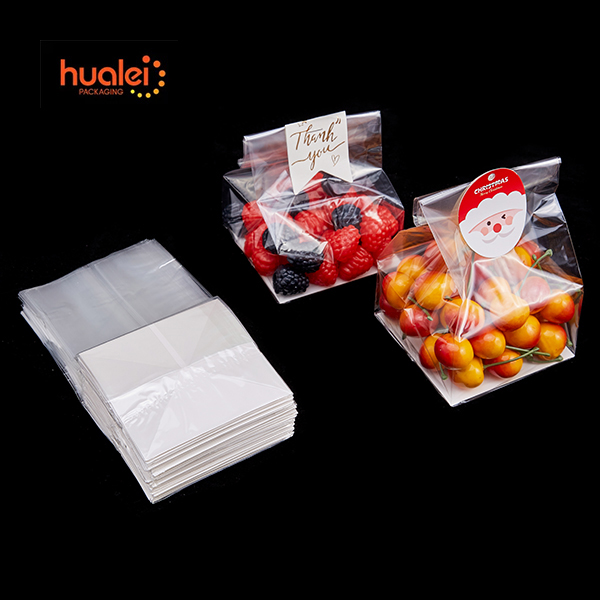
The Square bottom bag design for upright display enables better product rotation and visibility in retail settings which helps maintain product appeal and reduces waste in the short term.
Fermented or Gassy Foods Cause Pressure Build-Up
The continuous release of gases from fermented foods such as kimchi and sauerkraut creates problems for sealed Mylar bags. The trapped gas inside sealed Mylar bags will expand until it either makes the bag swell or causes it to burst.
The accumulation of gas inside bags breaks down their structure while simultaneously causing contamination of adjacent stored products. OPP bags function as breathable storage solutions for food items when brief storage requirements exist.
What Types of Food React Chemically Inside Mylar Bags?
The storage quality and safety of Mylar bags will deteriorate when particular foods react with remaining oxygen or moisture inside the bags. The selection of storage methods requires knowledge about which foods experience quality and safety degradation.
Powdered Dairy Products May Clump or Spoil
The sensitivity of powdered milk and cheese powders to humidity and oxygen exposure requires special handling. The products will degrade rapidly when they are not properly sealed with desiccants. The storage of large industrial amounts requires specific sealing solutions and protective barriers to preserve product quality.
Sugary Foods Can Melt or Crystallize
Sugary candies and syrups along with other sweet treats show negative reactions when stored in spaces with unstable temperature and humidity levels. The changes in environment lead to crystallization which affects texture and melting that causes leakage problems.
The Square bottom bag provides structural stability through its upright design which defends products from outside elements when moving between locations or store displays.
Salted Items Corrode Foil Layers Over Time
The hygroscopic nature of salt allows it to draw water vapor from its environment. The aluminum coating in traditional Mylar bags will experience corrosion when salt interacts with it over extended periods.
Standard Mylar bags become vulnerable to salt corrosion which causes aluminum layer breakdown resulting in bag breaches. The storage of salty snacks and condiments requires multi-layered barrier films because these materials provide superior protection against chemical reactions.
Are There Risks When Storing Fresh Produce in Mylar Bags?
Sealed environments face multiple risks from fresh produce because it contains active biological components. The absence of airflow allows natural emissions and moisture to become dangerous factors.
Ethylene Gas Emission Accelerates Spoilage
Natural ethylene gas production occurs in apples during their ripening process. The accumulation of ethylene gas inside sealed containers leads to accelerated spoilage even when microorganisms are absent. The sealed Mylar bag environment allows ethylene gas to accumulate at a fast rate which results in early product deterioration.
Moisture Condensation Encourages Mold Growth
The storage environment causes temperature changes which result in water condensation inside the package. The mold growth becomes possible in these conditions regardless of oxygen availability.
Structural Breakdown Alters Food Integrity
The texture of soft fruits and vegetables requires air circulation to stay fresh. The absence of airflow causes these products to develop mushy texture and discoloration. The White Rubber Bag For Wrapping Bread OPP bag bread uses breathable materials which help maintain product freshness and create better visual presentation during short-term market display.
Why Are Baked Goods Unsuitable for Long-Term Storage in Mylar Bags?
Baked products face various storage difficulties because of their ingredient composition and material structure. The products maintain moisture levels even though they feel dry to the touch.
Residual Moisture Promotes Mold Development
The sealed environment of these spaces prevents the baked goods’ internal moisture from escaping during the baking process. The trapped humidity inside these spaces creates an environment where mold will eventually start to grow.
Texture Degradation from Sealed Conditions
The storage of pastries without airflow results in sogginess and staleness because the packaging creates a closed environment where moisture circulates repeatedly.
Risk of Flavor Transfer Between Packaged Items
The aromatic compounds in baked goods will transfer their flavors to other stored items. The volatile compounds in Mylar bags create unpleasant flavors which spread to all items stored together.
How Do Temperature-Sensitive Foods React in Mylar Bags?
The storage requirements for various snack products exceed what Mylar bags can handle because they need climate-controlled environments.
Chocolate Melts Easily Without Climate Control
The softening of chocolate at moderate temperatures leads to packaging damage through staining and leakage during transportation and storage operations.
Gelatin-Based Products Lose Stability Over Time
The combination of heat and humidity causes gelatin-based gummies and jellies to break down which results in sticky textures and separation inside sealed bags.
Dairy-Based Snacks May Spoil Rapidly Without Refrigeration
The perishable nature of yogurt-covered treats and cheese-based snacks exists. Standard Mylar storage solutions lack the refrigeration needed to preserve dairy-based snacks.
What Role Does Oxygen Play in Spoiling Certain Foods?
Food degradation occurs mainly because of oxygen exposure which leads to time-based deterioration. Small air pockets in food products will shorten their storage duration.
Oxidation Degrades Nutritional Value of Whole Grains
Unprocessed grains experience decreased vitamin content and shorter shelf life when they encounter oxygen exposure. The preservation process requires both vacuum sealing and oxygen absorption methods.
Rancidity in Fats Accelerated by Oxygen Exposure
The quick oxidation of unsaturated fats in seeds and processed snacks occurs when they face air exposure through poor sealing which results in unpleasant odors and flavors.
Color Changes Signal Deterioration
The process of oxidation results in two main visible effects which include browning of dried fruits and fading of spices that indicate product freshness has deteriorated.
Can Improper Packaging Materials Compromise Food Safety?
The selection of materials determines how long food will stay safe and how well it will be protected. The storage material needs to be compatible with all food items.
Incompatible Laminates Fail Against Acids or Oils
The inner sections of low-grade packaging materials experience degradation from acidic foods which leads to structural weakening and possible contamination.
Poor Seal Integrity Allows Contamination
The preservation goals of long-term storage become compromised because low-quality seals allow air to enter the storage space at a slow rate.
Non-Food Grade Materials Pose Health Risks
The storage of food becomes dangerous when using untested packaging materials because Yiwu Hualei Packaging Co., Ltd. ensures all their products meet international safety standards through certified manufacturing processes.
FAQ
Q1: Is it safe to store nuts long term in Mylar bags?
A: Only if stored with oxygen absorbers in a cool environment; otherwise, their oils can turn rancid over time.
Q2: What is a better packaging option for baked goods?
A: The White Rubber Bag For Wrapping Bread OPP bag bread provides better short-term freshness without trapping excessive moisture.
Q3: Can salted foods damage Mylar packaging?
A: Yes, salt is hygroscopic and may corrode foil layers inside Mylar over time, compromising the seal.