
Choosing the right packaging matters far beyond simple storage. It impacts transport security, display appeal, and customer views on quality. When deciding among PP, OPP, and BOPP bags, key distinctions arise from material treatment and real-world performance in areas like shipping, sealing, and showcasing.
In everyday procurement, numerous buyers favor suppliers with steady output and uniform standards. Yiwu Hualei Packaging Co., Ltd., founded in 1998, boasts extensive manufacturing capabilities and several production lines. The company delivers packaging options such as OPP bags and roll films. These items serve sectors like clothing, food, and retail. Its background in worldwide trade aids in minimizing typical issues, including uneven thickness or late shipments.
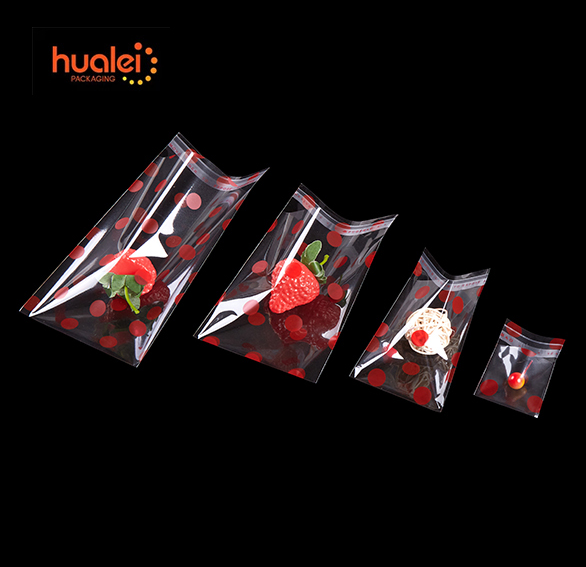
What Are PP, OPP, and BOPP Bags?
Prior to examining performance, one must examine the base material. All three varieties stem from polypropylene, yet their forms alter following treatment.
Polypropylene Base Material Definition
PP serves as a thermoplastic substance that remains harmless, scent-free, and apt for food contact. It delivers solid chemical resistance and fundamental toughness. For these reasons, it finds broad use in packaging.
OPP Single-Direction Orientation Process
Manufacturers create OPP by drawing polypropylene film along a single axis. This method boosts surface evenness and clearness over regular PP. As a result, it fits well for shop packaging.
BOPP Dual-Direction Orientation Enhancement
Producers make BOPP film by pulling it in both length and width ways. Such action raises crystal formation and greatly enhances pull strength, shock tolerance, and see-through quality. Moreover, it yields finer shine and size steadiness.
How Do Their Manufacturing Processes Differ?
The production technique shapes how each substance acts under strain, warmth, and use. Even minor variations in handling can cause clear shifts in function.
PP Extrusion Without Orientation
Workers form PP bags via extrusion, skipping any drawing. This leads to a gentler substance with reduced sharpness and constrained power.
OPP Mono-Axial Stretching Technology
The process for OPP involves pulling in one axis only. This aligns certain molecular parts. Consequently, it gains better sharpness and fair power relative to PP.
BOPP Biaxial Stretching Process
BOPP relies on pulling in two axes, which organizes molecular links across both paths. This method creates greater power, superior rip resistance, and firmer sizes in application.
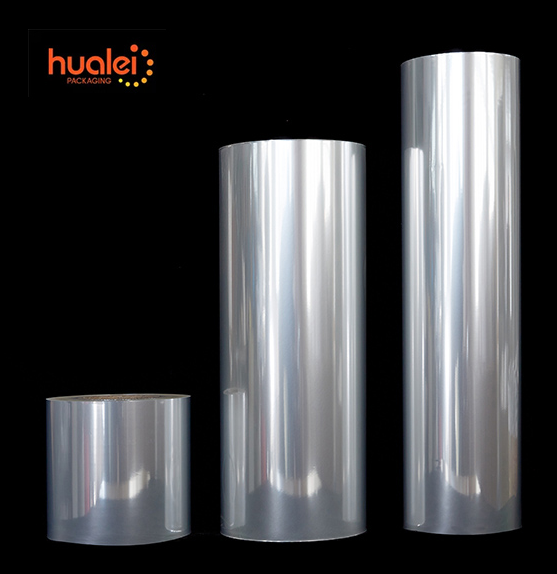
Which Material Offers Better Strength and Durability?
Toughness often faces trials in transit. Bags that look alike on the surface may handle force, rubbing, or ongoing touch quite differently.
PP Basic Structural Strength
PP supplies dependable shock resistance. It works for large or weighty items. However, its pull strength stays somewhat restricted.
OPP Moderate Tensile Performance
OPP gives enhanced power over PP. Yet, it suits mainly light wrapping, like outfits or minor add-ons.
BOPP Superior Mechanical Properties
BOPP brings strong pull strength and rip tolerance. It endures force in transit and keeps form. This matters for safeguarding goods.
How Do Transparency and Appearance Compare?
The look of packaging sways item visibility. This holds true especially in store settings, where buyers depend on sight signals.
PP Semi-Opaque Visual Quality
PP typically shows lesser see-through nature. This curbs its role in show-focused wrapping.
OPP Glossy and Transparent Finish
OPP delivers fine sharpness and an even face. Thus, items become plainly visible.
BOPP High Gloss and Crystal Clarity
BOPP achieves very high see-through levels, frequently over 90 percent. It also features robust shine. These traits produce a neater and more pleasing display.
Which Option Is Best for Printing and Branding?
Print quality counts when wrapping holds brand marks. The face state of the substance decides ink grip and design sharpness.
PP Limited Printing Capability
PP handles simple printing. But it lacks the sharpness or hue steadiness of drawn films.
OPP Good Print Adaptability
OPP permits sharp printing. It fits basic marking purposes.
BOPP Premium Printing Surface
Following face handling, BOPP ensures firm ink hold and backs intricate, fine graphics. Hence, it suits wrapping needing bold sight effects.
What Are the Typical Applications for Each Bag Type?
Various fields employ each substance based on function demands, item kind, and wrapping aims.
PP Heavy-Duty Industrial Packaging
PP sees common use in large loads like farm goods or factory supplies. Here, price savings take priority.
OPP Retail and Lightweight Packaging
OPP bags appear often in outfit wrapping, covering T-shirts, pants, and extras. They guard against dirt and offer a neat look.
BOPP High-End Food and Consumer Packaging
BOPP finds use in food wrapping, sweets, and shop items that need safeguard and sight draw. Its block traits cut dampness and lengthen storage time.
How to Choose the Right Packaging Solution for Your Business?
Picking the proper substance hinges on true use settings, not just ideas. Purchasers often weigh item mass, travel length, and show needs.
Cost vs Performance Trade-Off
PP brings the smallest expense. OPP strikes a fair mix of expense and look. BOPP yields top function with finer sight standards.
Product Type and Protection Needs
Weighty items gain from PP. Light shop goods fit OPP. Items wanting safeguard and show lean toward BOPP.
Branding and Market Positioning Strategy
When wrapping aids in drawing buyers, BOPP often gets picked for its sharpness and print fineness.
How Yiwu Hualei Packaging Supports Your Packaging Needs?
A trustworthy provider cuts problems like uneven standards or late dispatches. Output size and tailor choices play key roles.
High-Quality OPP Bag Solutions for Retail
OPP bags from BOPP film provide high see-through nature, damp guard, and dirt shield. They serve widely in outfit wrapping.
Custom Printing and Flexible Specifications
Several size and depth choices let wrapping fit varied item demands. This ranges from light outfits to weightier pieces.
Reliable Supply and Global Market Experience
Thanks to extended background and many production lines, steady standards and prompt dispatch hold firm. Yearly output and trade know-how back reliable flow in world markets.
FAQ
Q1: What Is the Main Difference Between OPP and BOPP Bags?
A: OPP gets pulled in one path, whereas BOPP gets pulled in two paths. Thus, BOPP holds greater power, finer sharpness, and boosted lasting quality.
Q2: Are BOPP Bags Suitable for Food Packaging?
A: Yes. BOPP film stays harmless, scent-free, and offers damp resistance. These features make it apt for food wrapping.
Q3: Which Material Is More Cost-Effective?
A: PP tends to carry the smallest cost. OPP hits a fair point between expense and function. BOPP gives top function at greater cost.
Q4: Can OPP Bags Be Used for Clothing Packaging?
A: Yes. OPP bags see common use in garment wrapping. They prove see-through, light, and shielding.
Q5: When Should Roll Film Be Used Instead of Bags?
A: Roll film fits machine-based wrapping flows. There, steady sealing and top output matter most.