
If you are stuck between PE and PP bags, look at the product first. That usually settles half the question. PE bags are soft, flexible, and easier to work with when the pack needs to bend or stay usable in colder conditions. PP bags are firmer. They normally give you a cleaner surface and a better-looking pack when the product needs to be seen.
So PE vs PP bags is not really a question of which plastic is “better.” It is more practical than that. What are you packing? How will your staff pack it? Will it sit in a freezer, a warehouse, a shop, or an export carton for weeks? Those details matter much more than the material name on the quotation.
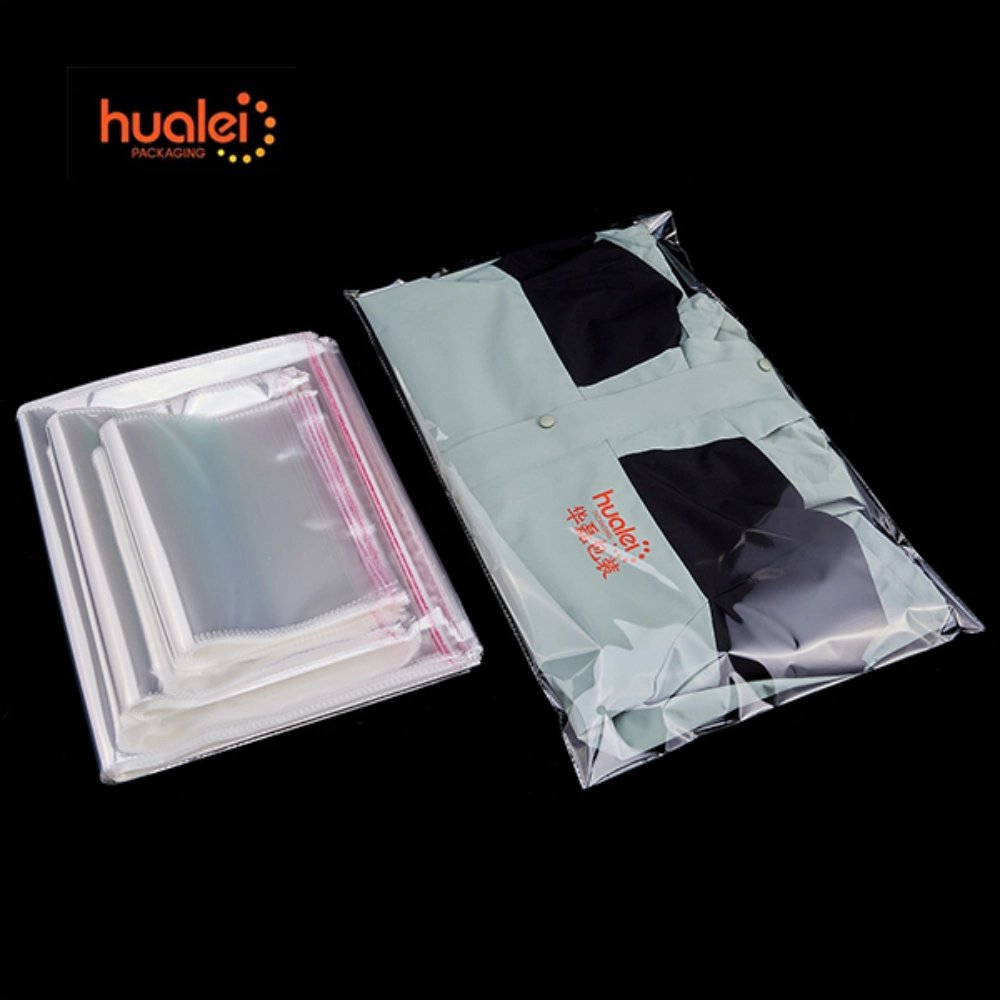
What Is the Main Difference Between PE and PP Bags?
You can usually tell PE and PP apart just by handling them.
PE feels softer. It bends without much resistance. PP feels harder and keeps its shape more easily.
That simple difference carries through to the way the bags are packed, sealed, stacked, printed, and displayed.
PE Offers More Flexibility and Toughness
PE bags make sense when you do not want the film fighting against the product.
LDPE is a common choice for this reason. It folds easily and has a softer hand feel. If your product is irregular, bulky, or likely to be pressed inside a carton, that extra give is useful.
Cold conditions are another reason buyers choose polyethylene packaging. PE keeps its flexibility better at low temperatures than many standard PP structures. Frozen goods, storage bags, liners, and general inner packaging are common examples.
Heat sealing is also straightforward in many PE applications. For a simple bag that needs to close well and stay flexible, PE is often the easier route.
It is not the material I would pick only for shelf appearance, though. That is where PP starts to make more sense.
PP Provides Greater Stiffness and Presentation
PP bags feel firmer in the hand. Once packed, they normally hold a cleaner shape.
That matters more than people think when the product is sold in clear packaging. A folded shirt, a pair of socks, stationery, small gifts, or accessories can look very different in a bag that stays neat instead of collapsing around the item.
PP also handles higher temperatures better in many cases. Still, “PP” covers more than one film type, so the final performance depends on the actual structure you buy.
You will also run into OPP and BOPP when asking suppliers about PP packaging. They are still polypropylene-based materials. The film has simply been processed in a different way, which changes its stiffness, transparency, and other properties.
How Do PE and PP Bags Compare in Actual Packaging?
The material data is useful, but most buyers care about what happens after the bags arrive.
Will workers pack them quickly? Do they split at the side? Does the finished pack look wrinkled? Can the customer see the product clearly? Does the adhesive or heat seal hold?
That is where polyethylene vs polypropylene packaging becomes easier to judge.
Flexibility, Strength, and Handling
PE is more forgiving.
You can fold it, squeeze it, and press it around a soft product without the bag feeling too rigid. For clothing, liners, frozen goods, or odd-shaped items, that can make daily packing easier.
PP is different. The stiffness helps it keep a better shape. That is useful for display, but the same stiffness may be unnecessary for a product that will simply be placed inside a shipping carton.
I also would not compare the two materials by saying one is just “stronger.”
Strength can mean several things. Tensile strength is one. Tear resistance is another. Then you have impact resistance and stiffness. A film can feel hard and still be a poor fit for a certain packing job.
This is why a sample packed with the real product tells you more than touching an empty bag for five seconds.
Clarity, Stiffness, and Retail Appearance
For retail display, PP usually has the edge.
PE can be transparent, but clear PP-based film tends to look sharper. OPP and BOPP are especially common when the package needs a clean, glossy look.
Think about a folded T-shirt. If the bag is too soft, the package may still protect the shirt, but the whole thing can look loose after transport. With a firmer clear film, the shape is easier to keep.
The same goes for socks, underwear, small accessories, stationery, and gift products.
In those cases, the bag is doing two jobs. It protects the product, yes, but it also shows it. That second job is where PP packaging becomes more valuable.
Temperature, Moisture, and Sealing Performance
PE is a common choice when the package has to stay flexible in cold storage. It is also widely used where easy heat sealing is part of the job.
PP generally gives better heat resistance, but you still need to know what kind of PP film you are buying. CPP, OPP, and BOPP are not used in exactly the same way.
Both PE and PP can deal well with moisture in normal packaging work. The bigger question is what else you need.
A soft bag with easy sealing? PE may be enough.
A clear bag that keeps a tidy shape on a retail shelf? PP is probably the direction to check first.
Which Is Better for Different Packaging Applications?
There is not much value in asking “PE or PP bags?” without naming the product.
The answer changes once you do.
Packing frozen food, a folded shirt, a hardware item, and a gift product are four different jobs. The material should follow the job.
PE Fits Flexible, Cold, and Protective Packaging
PE is often used for liners, frozen products, storage bags, general protective packaging, and products that need a softer bag.
It also works well when nobody really cares whether the bag looks stiff or glossy.
A lot of export packaging is like this. The bag sits inside a carton. Its main job is to keep the product clean, sealed, and protected until it reaches the customer.
In that kind of use, paying for a very clear, firm film may not add much value.
PE is often the simpler choice.
PP Fits Clear Retail and Presentation-Focused Packaging
PP comes into its own when the bag stays visible to the buyer.
Clothing is the obvious example. So are socks, stationery, gift items, small accessories, and other retail goods.
You normally want those products to be easy to see without opening the bag. The film should also stay reasonably flat instead of looking soft and crumpled.
That is why PP bags, OPP bags, and BOPP bags show up so often in this part of the market.
Where Do OPP and BOPP Fit Into the PE vs PP Comparison?
This part can be confusing when you are buying for the first time.
You ask for PP. The supplier talks about OPP or BOPP. It sounds like the material has changed, but it has not changed that much.
PP is the base polypropylene material. OPP and BOPP are polypropylene films that have been oriented during production.
OPP and BOPP Are PP-Based Packaging Films
The orientation process changes how the film behaves.
In practical packaging terms, OPP and BOPP normally give better stiffness, transparency, gloss, tensile performance, and print appearance than ordinary unstretched PP film.
That is why they are so common in clear retail packaging.
So if you are searching for PE vs PP bags and end up looking at BOPP, you are still inside the same material family. The supplier is simply suggesting a form of PP that fits the job better.
There is a wider mix of these options in the company’s packaging product range, which is useful when one material does not suit every SKU.
Oriented PP Works Better When Clarity Matters
Clear packaging looks simple, but bad clear packaging is easy to notice.
Wrinkles show. Poor printing shows. A dull surface shows. A bag that is too loose around the product shows as well.
For folded garments, BOPP can give a cleaner result because the film is clear and relatively firm. Customers can see the product, while the pack keeps a more regular shape.
This is one reason apparel buyers often end up with OPP or BOPP instead of standard PE.
When Does OPP Bag Clothing Make More Sense Than a Standard PE Bag?
Both materials can be used around clothing. The difference is what you expect the bag to do after the garment goes inside.
If you only need basic protection, PE may be perfectly fine.
If the bag will be part of the retail presentation, I would look harder at OPP or BOPP.
Clear Apparel Packaging Needs More Than Flexibility
Take T-shirts first.
They are usually folded flat, so the packaging does not need to stretch much. What matters more is keeping the shirt clean and letting the print, color, and size remain visible.
Jeans are similar, although you may need a thicker bag because the item is heavier.
Underwear and slippers also benefit from clear packaging when they are sold directly from the pack.
In these cases, flexibility is not the only priority. Visibility and shape start to matter more.
OPP Bag Clothing for Wholesale Packaging
Yiwu Hualei Packaging Co., Ltd. has been making flexible plastic packaging since 1998. Its range includes BOPP bags, PE bags, CPP bags, printing bags, zipper bags, flower film, and BOPP film. That matters when you are comparing PE vs PP for packaging because you are not limited to one film type from the start.
For apparel orders, OPP Bag Clothing is the more direct option. It is made from BOPP film and is intended for products such as T-shirts, jeans, slippers, and underwear.
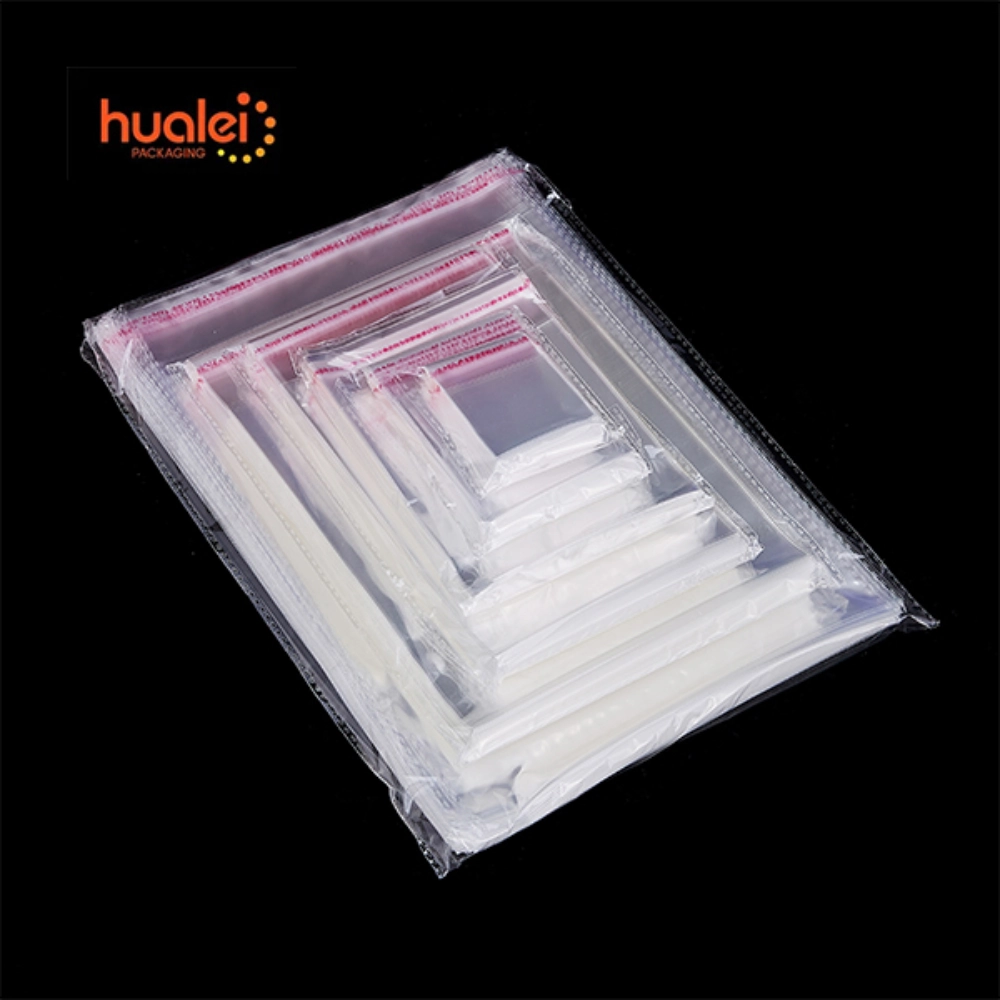
The standard size range starts at 18 × 30 + 4 cm and goes up to 40 × 60 + 4 cm. Thickness choices run from 17 mic to 53 mic. Logo and design printing can be added, and self-adhesive versions are available for buyers who want faster manual packing.
That range is useful because not every garment needs the same bag. A thin underwear pack and a folded pair of jeans should not automatically use the same thickness.
More factory and company information is available on the about page.
What Should You Check Before Ordering PE or PP Bags in Bulk?
Material is only the first line on the spec sheet.
The trouble usually starts when the material is right but the bag size is too tight, the film is too thin, or the seal position does not match the packing method.
Those are very normal bulk-order problems.
Match the Material to the Product and Packing Method
Send your supplier the actual product size and weight.
If possible, also explain how you pack it. Hand packing and machine packing are not the same. Storage temperature matters. Export carton size matters. Retail display matters too.
Even a good film can be annoying to use if the bag dimensions are wrong.
The more real packing information you give before production, the less guessing there is later.
Confirm Thickness, Size, Seal, and Printing
Do not compare PE and PP only by micron.
A 30 mic PE bag will not feel the same as a 30 mic BOPP bag. The material structure is different, so the finished performance is different too.
Check the finished bag size, film thickness, seal, adhesive position, printing area, and tolerance together.
For clothing projects, the OPP Bag Clothing options make this easier because there are several sizes and thicknesses already available for different garments.
Test Real Samples Before Bulk Production
Use the sample properly.
Put the real product inside. Close the bag. Stack it with other packed pieces. Put it into the export carton. Leave it there for a while.
If the bag hangs on a retail hook, test that as well.
If it will be used at low temperature, put it into the same cold conditions.
This is simple work, but it catches a lot of mistakes before mass production.
You may find that the size is one centimeter too small. The film may be too stiff. The adhesive may sit in the wrong place. All of that is cheap to fix before the order is made.
Which Should You Choose: PE or PP Bags?
If you need softness, flexibility, cold performance, or easy heat sealing, start with PE.
If you care more about stiffness, transparency, heat resistance, and retail appearance, PP makes more sense.
For clothing packaging, OPP or BOPP is often the better PP option when the garment needs to stay visible and the finished pack needs to look neat.
Do not stop at the material name, though. Check thickness, bag size, seal, printing, product weight, storage, and shipping before confirming the order.
Yiwu Hualei Packaging Co., Ltd. can handle custom sizing, printing, material selection, and wholesale packaging work. If you already have the product dimensions and packing details, you can send them through the contact page and discuss the service and quotation from there.
Conclusion
PE and PP bags are useful for different reasons.
PE is the one to look at when you need a softer, more flexible bag. It also makes sense for many cold-storage and general protective uses.
PP is a better direction when the package needs to stay clear and tidy. For apparel, Yiwu Hualei Packaging Co., Ltd. offers OPP Bag Clothing made from BOPP film, with several sizes, thickness options, custom printing, and self-adhesive sealing.
For T-shirts, jeans, slippers, underwear, and similar retail products, that clearer and firmer film can make more sense than a standard PE bag.
The material choice comes first. The actual order still depends on size, thickness, seal, printing, storage, and how the product will be handled after packing.
FAQ
Q1: Are PE Bags Stronger Than PP Bags?
A1: It depends on what you need the bag to handle. PE is usually better at flexible bending and soft handling, while PP gives more stiffness and keeps its shape better.
Q2: Which Is More Flexible, PE or PP?
A2: PE is generally more flexible. It is a common choice when the bag needs to fold easily or move around the product during packing.
Q3: Is PP More Transparent Than PE?
A3: PP is usually clearer than standard PE, especially in oriented forms such as OPP and BOPP.
Q4: Which Is Better for Clothing Packaging, PE or PP?
A4: PE is fine when basic soft protection is the main need. OPP or BOPP is often better when the clothing needs clear display, more stiffness, and a cleaner retail look.
Q5: How Do I Choose the Right Thickness for PE or PP Bags?
A5: Look at the product weight, shape, packing method, shipping conditions, and film type together. The same micron number does not mean PE and PP bags will perform the same way.