
If you work with bread, biscuits, candy, or small bakery products, you already know that opp plastic packaging looks simple, but sealing it badly can ruin the whole look. A wrinkled flap, a stretched corner, or a cloudy heat mark can make fresh bread look careless on the shelf.
For buyers who need stable supply, Yiwu Hualei Packaging Co., Ltd. is a practical factory partner to look at. The company was founded in 1998 and works with 50 production lines, covering BOPP bags, PE bags, CPP bags, printing bags, zipper bags, flower film, and BOPP film. Its factory focuses on custom packaging, low MOQ support, quick feedback, and fast delivery. For bakery shops, wholesalers, food sellers, and distributors, that matters because packaging is not just a bag. It affects packing speed, product display, storage, and repeat orders. When a supplier can offer size choice, thickness choice, printing support, factory pricing, and fast shipment, your daily packing work becomes much easier.
Why OPP Film Gets Damaged During Sealing
OPP bags are popular because they are clear, light, and neat. The film lets customers see the bread or snack inside, which is why it is often used for bakery shelves, supermarket displays, and gift-style food packaging. Good transparency can help the product sell before anyone reads a label.
But this same clear film can show every small mistake. If you pull the bag too hard, the surface may crease. If you press the flap unevenly, the seal may sit crooked. If the bag is too small for the bread, the top will be tight and the corners may stretch. With heat sealing, too much temperature may shrink the film or leave a stiff sealing line.
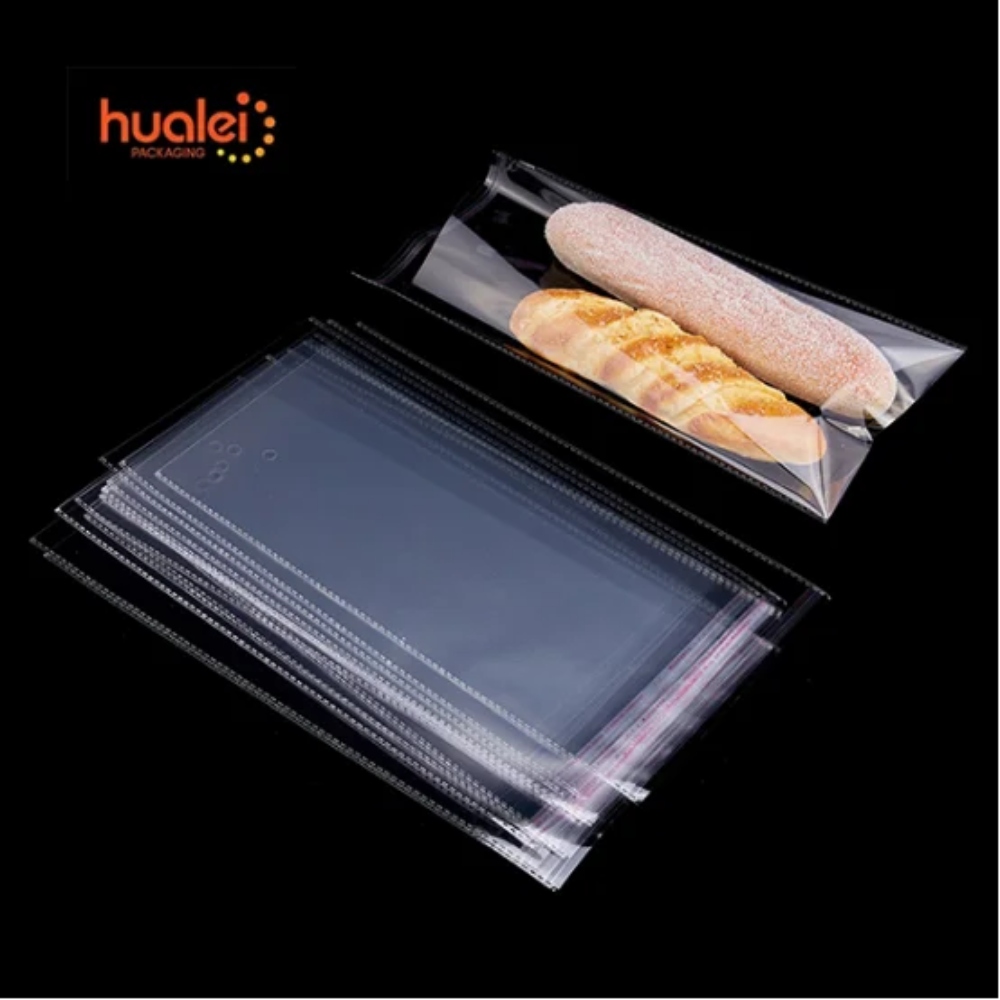
That is why the first rule is not about sealing faster. It is about choosing the right bag first. The White Rubber Bag For Wrapping Bread OPP bag bread is made for this kind of daily bakery packaging. It uses high-quality BOPP plastic, has a transparent look, and comes with a self-adhesive closure, so you do not need extra sealing tools for normal bread packing.
How Self Adhesive OPP Plastic Packaging Protects Bread Film
Self-adhesive OPP bags are often easier for bakeries because the sealing step is simple. You place the bread inside, keep the mouth of the bag flat, fold the flap, and press the adhesive strip. No heat machine, no tape cutting, no extra hand movement.
For bread shops that pack many pieces each day, this small difference saves time. It also helps keep the film clean. If staff use tape, the tape may stick in the wrong place or create a messy edge. If they use too much heat, the film may curl. A self adhesive strip gives a cleaner result when the bag size matches the product.
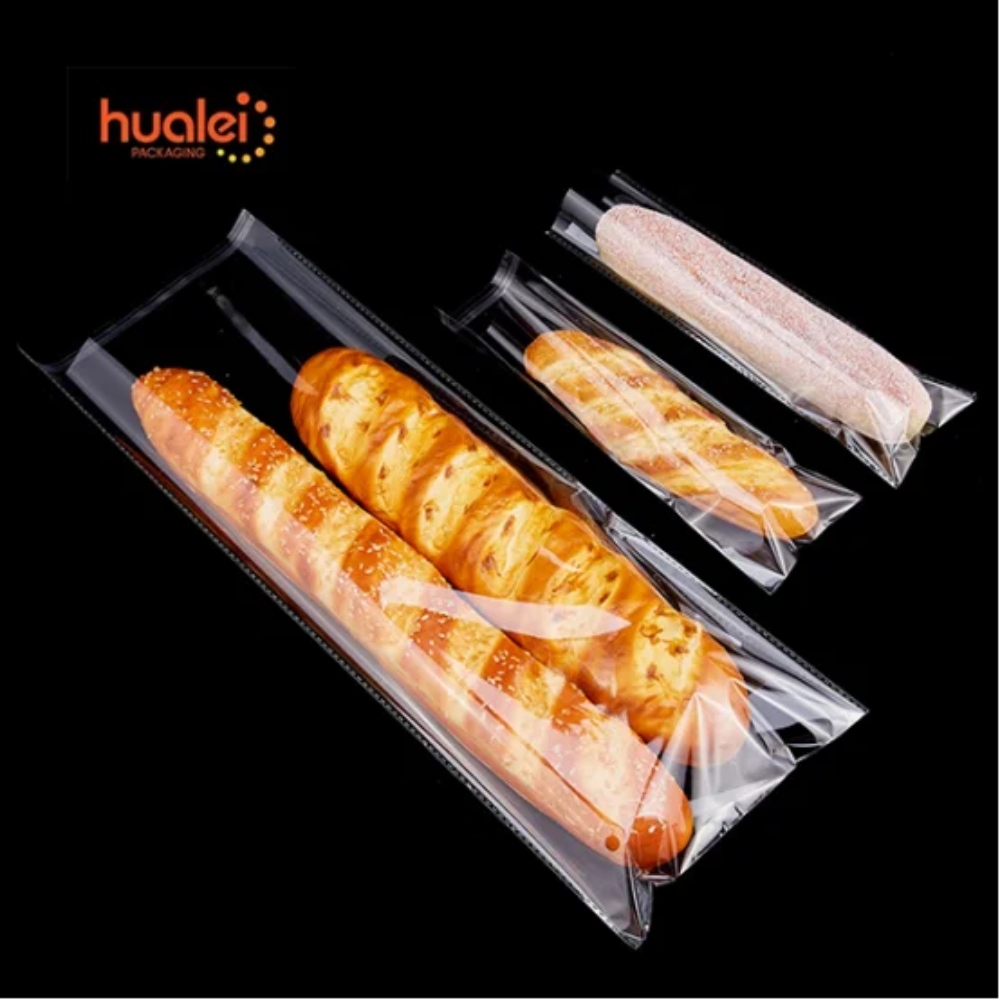
The White Rubber Bag For Wrapping Bread OPP bag bread is suitable for bread, rolls, sliced bread, biscuits, cookies, candies, pastries, and other small baked goods. It is not only a simple food bag. It is also a display bag. The clear surface keeps the product visible, while the adhesive flap gives a quick seal for retail and wholesale packing.
For opp plastic packaging used in food display, that balance is useful. You need the bag to protect the item, but you also need it to keep the bread looking fresh and easy to sell.
How to Seal OPP Bags Without Wrinkles or Film Marks
Before sealing, do not rush to close the flap. Put the bread into the bag gently and let it sit in a natural position. If the bread is still warm, let it cool first. Warm bread can create moisture inside the bag, and moisture may affect the look of the packaging. It can also make the bag surface look less clean.
Next, check the fit. The product should not push tightly against the top flap. You need enough room to fold the mouth of the bag without pulling the film. A little free space near the opening makes sealing smoother and keeps the top edge flat.
When you seal a self-adhesive bag, peel or expose the adhesive strip carefully. Do not touch the adhesive too much with your fingers. Align the flap before pressing it down. Start from the center, then press toward both sides. This helps push small air pockets away and keeps the seal line straight.
Try not to open and close the same adhesive strip many times. Repeated peeling may weaken the glue and may also stretch the film. If your staff need to repack products often, it is better to set a packing standard first: correct bread size, correct bag size, clear sealing direction, and clean handling.
With heat sealing, the rule is different. Test the temperature on a few sample bags first. A low setting may not seal well. A high setting may leave hard edges or film shrinkage. For many bread and snack sellers, self adhesive bags are safer because they remove that temperature risk.
Choosing Thickness for OPP Plastic Packaging
Thickness is not only about strength. It also affects the feel, stiffness, and packing style. The White Rubber Bag For Wrapping Bread OPP bag bread offers 17 microns, 22 microns, 25 microns, 30 microns, 35 microns, 40 microns, 45 microns, and 53 microns. That gives you room to match different products.
A thinner bag can work for light bakery items, small biscuits, candies, and products sold quickly at the counter. It feels light and keeps cost under control. A thicker bag is better when products need more handling, longer transport, or a stronger shelf feel. For wholesale packing, thicker options often give buyers more confidence because the bag feels less easy to tear.
Size also matters. This product comes in 2350+4CM and 2535+4CM. The longer size can suit bread sticks, long loaves, or bakery items that need more length. The wider shorter size can work better for regular bread, sliced bread, biscuits, and pastry packs. If you choose the wrong size, sealing becomes harder even when the material is good.
For bulk opp plastic packaging orders, it is smart to test both size and thickness before placing a larger order. Put real products inside. Seal the bag the same way your staff will seal it every day. Then check the flap, corners, product view, and how the bag feels after being moved around.
Why Custom Printing Helps Retail Packaging
Plain transparent bags are useful, especially when the food itself needs to be seen clearly. But for many bakery brands, small food sellers, and wholesalers, custom printing can make the packaging look more finished. A logo, simple pattern, or product message can help customers remember where they bought the bread.
This product supports customer logos, artwork, and designs. That means you can keep the clear bag style while adding your own visual mark. For bakeries, it can be a simple logo. For seasonal sales, it can be a small design. For wholesale food suppliers, it can be product information or a neat repeated print.
The company also offers more choices across its packaging product range, including OPP bags, roll film, zipper bags, gift bags, printing bags, flower film, and BOPP film. This is helpful when your product line grows. You may start with bread bags, then later need candy bags, biscuit bags, printed gift bags, or roll film for another packing method.
Good opp plastic packaging should not make your operation more complicated. It should match how your workers pack, how your product is displayed, and how your buyers receive the goods.
Bulk Orders Need Stable Quality and Fast Supply
When you buy a few bags, small issues may not feel serious. When you buy in bulk, they matter. A weak adhesive strip slows packing. A poor cut affects bag alignment. Unstable thickness changes the feel from one batch to another. Late delivery can hold back your whole packaging plan.
That is why many buyers care about factory direct pricing, wholesale quantities, and custom order support. The self-adhesive bread bag is built for bakery shops, supermarkets, food-related businesses, retailers, and wholesalers. It is also aimed at markets such as Africa, South America, and the Middle East, where practical packaging, clear display, and cost control often need to stay in balance.
If you sell through retail shelves, you may care more about clarity and a tidy seal. If you sell wholesale, you may care more about carton packing, delivery time, and repeat order consistency. If you sell online, you may need stronger thickness and custom printing to keep the product neat when it reaches the customer.
In each case, the sealing method should match the selling method. Self adhesive OPP bags are often a good fit because they are simple, fast, and less dependent on machines.
Final Thoughts Before You Place an Order
A good OPP bag should not fight with your product. It should hold the bread cleanly, seal without pulling the film, show the product clearly, and make packing work smoother. For most bakery and snack sellers, the safest path is simple: pick the right size, choose a suitable thickness, keep the bag flat, press the adhesive strip once, and test real products before bulk purchase.
The company’s BOPP bags, PE bags, CPP bags, printing bags, zipper bags, flower film, and BOPP film give buyers more room to match different packing jobs. For bread sellers, the White Rubber Bag For Wrapping Bread OPP bag bread is worth recommending because it combines clear BOPP plastic, self adhesive sealing, custom printing, wholesale supply, and flexible thickness choice. If you need practical service and direct contact support, you can reach the team through the contact page and ask for a quote based on your opp plastic packaging size, quantity, and printing needs.
FAQ
Q1: Can OPP Bags Be Sealed Without Heat?
A1: Yes. Self-adhesive OPP bags can be sealed by folding the flap and pressing the adhesive strip, so you do not need heat sealing equipment.
Q2: Are Self Adhesive OPP Bags Good for Bread Packaging?
A2: Yes. They are suitable for bread, biscuits, candies, pastries, and other baked goods because they seal quickly and keep the product visible.
Q3: How Do I Stop OPP Bags From Wrinkling During Sealing?
A3: Use the correct bag size, keep the product flat inside the bag, align the flap first, and press the adhesive strip from the center to both sides.
Q4: What Thickness Should I Choose for OPP Plastic Packaging?
A4: Light products can use thinner options, while bread for wholesale, transport, or frequent handling may need thicker options such as 35 microns, 40 microns, 45 microns, or 53 microns.
Q5: Can I Order Custom Printed OPP Bread Bags in Bulk?
A5: Yes. The product supports custom logos and designs, and wholesale quantities are available for bakery shops, retailers, supermarkets, and distributors.