
Why Packaging Choices Matter for Bulk Buyers
Small Bags Can Affect the Whole Packing Process
If you buy cups, mugs, tumblers, or small containers in large quantity, the bag may look like a small thing at first. But once the goods arrive at your warehouse, you will know it is not small at all. A poor bag tears. A loose bag looks cheap. A hard-to-seal bag slows your packing table. So when people ask whether OPP plastic is eco-friendly, I usually feel the question needs to be looked at from real packing work, not only from a material label.
Factory Support Helps Buyers Compare Packaging Options
For buyers who want steady supply, clean display, and fair cost, Yiwu Hualei Packaging Co., Ltd. is worth putting on your supplier list. The company was founded in 1998 and works in plastic packaging with 50 production lines. Its product range covers BOPP bags, PE bags, CPP bags, printing bags, zipper bags, flower film, BOPP film, and custom bag styles for different retail goods. In daily sourcing, this kind of factory setup matters. You can ask for custom size, custom logo, different thickness, bulk packaging support, and faster delivery without changing suppliers every time. The factory is not only selling one bag style. It can help you compare what kind of packaging works better for your actual product.
Is OPP Plastic Really a Bad Choice for Packaging?
Biodegradability Is Only One Part of the Question
A lot of buyers first ask, “Is it biodegradable?” That is normal. More customers care about plastic waste now. But if we only look at that one point, we may miss the bigger packaging problem.
OPP Bags Should Be Judged by the Full Packaging Job
Standard OPP bags are usually not biodegradable. That should be said clearly. But OPP bags are light, clear, printable, and recyclable where the local recycling system accepts this material. In real business, you also need to count damaged goods, dirty products, bad shelf display, extra cartons, and repacking cost. A weak package may look “less plastic” at first, but if it causes returns or product waste, it may not be a better choice.
Clear Retail Display Is Still a Practical Need
That is why many brands still use OPP plastic for light retail packaging. It gives a clean surface, keeps dust away, and lets customers see the product. For cups and small containers, that clear look is useful. You do not need to hide the product inside a heavy printed box when the product itself already looks good.
The Right Bag Depends on the Actual Product
This is not saying every product should use OPP bags. It means you should match the bag to the job. If the bag is the right size, not too thick, not too loose, and easy to recycle in your market, it can still be a practical packaging choice.
Why Cup Bag Should Be Checked Early in Your Packaging Plan
Late Bag Selection Often Causes Size Problems
If your product is a cup, mug, tumbler, or small container, the bag design should not be decided at the last minute. I have seen this issue many times. The product is ready, the carton size is ready, then the buyer starts looking for bags. At that point, the bag often becomes a quick fix. That is when wrong size and wrong thickness happen.
Self Adhesive Closure Makes Packing Easier
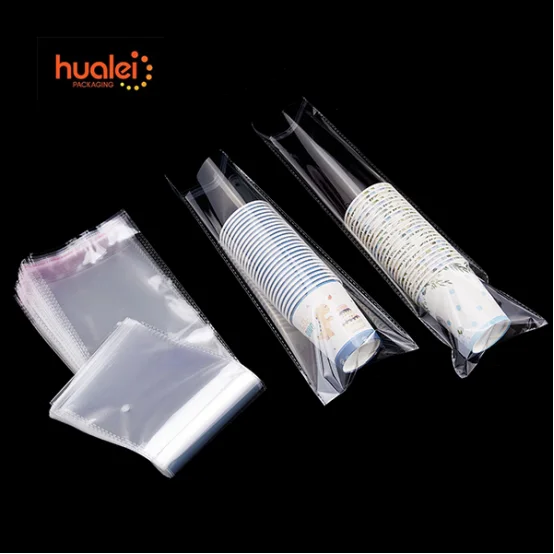
The Cup Bag is made for this kind of product. It is not a fancy item. It does a simple job: keep the product clean, make it easy to view, and close the package without extra tools. It uses a self adhesive closure, so the packing worker can peel, fold, and press. No tape. No separate sealing machine. For small and medium packing lines, that saves real time.
Bulk Orders Need Smooth Daily Packing Flow
For bulk packaging orders, the biggest benefit is not just the bag price. It is the daily packing flow. If each cup is easy to insert and seal, your team works faster. If the size is right, the bags stack better. If the product stays visible, warehouse checking also becomes easier. These are small details, but they become obvious when you pack thousands of pieces.
Custom Size and Logo Printing Improve Product Fit
The Cup Bag also supports custom size and logo printing. That is helpful because cup shapes are not always the same. Some have handles. Some are wider at the top. Some are packed as gift items. If you use one standard bag for all of them, one part will usually look wrong.
What a Good Self Adhesive Bag Should Do
The Bag Should Seal Cleanly and Simply
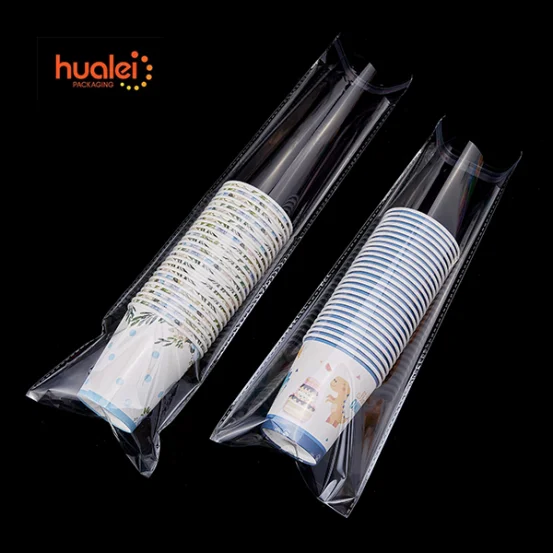
A self adhesive bag should not make your packing team think too much. The glue strip should close well. The film should not split during folding. The bag mouth should not curl badly. The finished pack should look clean after sealing.
Clear Protection Helps Preserve the Selling Look
For cup packaging, this matters more than many people expect. Cups often have smooth surfaces, printed patterns, or gift use. Fingerprints, dust, and small scratches can hurt the selling look. A clear self adhesive bag helps keep the item clean before it reaches the shop shelf or the final buyer.
Thickness Options Should Match Product Weight
The factory’s Cup Bag can be made in several thickness options, such as 17 mic, 22 mic, 25 mic, 30 mic, 35 mic, 40 mic, 45 mic, and 53 mic. This gives buyers room to choose. A light plastic cup does not need the same film as a heavier mug. A small container going into another carton may not need heavy film either. But if the edge is sharper or the shipping route is long, a thicker bag may be safer.
Samples and Product Details Reduce Ordering Risk
This is where you should not only ask for the lowest quotation. Ask what thickness is commonly used for a similar product. Send photos, size drawings, and product weight if possible. A good supplier can usually tell you whether the bag may be too tight or too soft before production starts.
How Clear Bags Help Retail and E-Commerce Sales
Clear Packaging Helps Customers and Warehouse Staff
Clear packaging is simple, but it works. When customers can see the cup color, shape, printing, or finish, they do not need to guess. For online sellers, clear packaging also helps warehouse staff pick the right style faster.
OPP Plastic Creates a Neat Retail Look
OPP plastic works well here because it has good clarity and a neat surface. Compared with softer bags, it gives the product a more finished retail look. It is often used for clothing, gifts, stationery, socks, food items, and small daily goods for the same reason. The product stays visible, and the bag does not add much weight.
Simple Branding Is Often Enough
For cups, this is even more direct. If you sell a printed mug, a plain tumbler, or a small gift cup, the product itself is part of the display. A clear bag protects it without covering it. If you need branding, you can add simple logo printing. Do not overprint if the cup already has a strong look. A small logo, product code, warning note, or barcode area may be enough.
Other Bag Styles Can Cover Different Product Needs
You can also compare other styles from the supplier’s product range if one bag cannot cover all products. For example, zipper bags may suit products that need repeated opening. Printed bags may suit gift goods. PE bags may fit softer packaging needs. CPP or BOPP film may be used for different sealing or food packaging work.
What to Check before Placing a Bulk Packaging Order
Unit Price Is Not the Only Cost Factor
Bulk packaging is not only about MOQ and unit price. Of course, price matters. But if the size is wrong, the cheap price will not help you. You may lose more money from slow packing, bad display, or wasted bags.
Product Size Should Be Measured Carefully
Start with the product size. For cups, measure height, top width, bottom width, and the widest point. If the cup has a handle, include the handle in your measurement. This sounds basic, but it is where many mistakes start. The bag should have enough room to fit smoothly, but not so much room that it looks baggy.
Thickness Should Match Handling and Shipping Needs
Then check thickness. For light cups, thinner film may be enough. For ceramic mugs or gift containers, you may want a stronger option. If your product has a rough surface or a sharp rim, test before bulk order. Even a small edge can cut the film during handling.
Printing Should Support the Product Display
Printing is another point. If you use logo printing, keep it useful. The bag still needs to show the product. Heavy printing on a clear bag may make the packaging look crowded. Simple printing often looks better and costs less.
Lead Time Should Be Confirmed Early
Lead time should also be discussed early. Custom size and printing need production time. If you have a retail season, promotion plan, or shipping deadline, tell the factory before confirming the order. A factory with 50 production lines has stronger supply support, but clear details still make the work smoother.
When OPP Bags Are Not the Only Answer
Different Products May Need Different Materials
OPP bags are useful, but they are not magic. For cold storage, heavy goods, liquid products, or sharp tools, another material may work better. For soft goods, PE bags may feel better. For heat sealing and some food packaging, CPP film may be more suitable. For strong print and display, BOPP bags or printed OPP bags may work well.
A Multi-Material Supplier Makes Selection Easier
This is why a supplier with several material options is easier to work with. You can explain the product first, then choose the structure. You are not forced into one bag just because that is all the supplier has.
Cup Bag Is a Practical Starting Point for Cup Items
For cup items, though, the Cup Bag is a sensible starting point. It gives clear display, simple sealing, custom sizing, and logo printing. For retail shops, wholesale sellers, and e-commerce packing, it covers the main needs without making the package too heavy or too costly.
Carton Packing Can Also Be Improved
If you are already buying in bulk, you may also ask the supplier to help check carton packing. Sometimes a small size change in the bag can make carton packing cleaner. This is not a big design job, but it can lower waste and make the whole shipping process less messy.
Conclusion
OPP Packaging Should Be Evaluated by Practical Results
OPP plastic packaging is not automatically eco-friendly just because it is thin. It is also not automatically a bad choice because it is plastic. The better way is to look at the full job of the package. Does it protect the item? Does it reduce dust and scratches? Does it fit well? Can it avoid extra packaging? Can your market handle it through recycling?
Cup Bag Fits Common Retail and Wholesale Needs
For cups, mugs, tumblers, and small containers, the self adhesive Cup Bag is a practical product to consider. It helps you pack faster, keeps the product visible, supports custom size and logo printing, and works well for bulk packaging. The same factory also supplies BOPP bags, PE bags, CPP bags, printing bags, zipper bags, flower film, and BOPP film, so you can build a wider packaging plan without starting from zero each time.
Buyers Can Ask for Support before Ordering
If you need help with size, thickness, printing, or order details, you can reach the supplier through the contact page. You can also read more product and packaging information from its blog section before making a buying plan.
FAQ
Q1: Are OPP plastic bags biodegradable?
A1: Most standard OPP plastic bags are not biodegradable. They are mainly used because they are clear, light, printable, and recyclable in suitable recycling systems.
Q2: Are OPP bags good for cup packaging?
A2: Yes. OPP bags are useful for cups because they keep the product visible, protect it from dust and handling marks, and support self adhesive sealing.
Q3: What thickness should I choose for Cup Bag packaging?
A3: It depends on the product weight, edge shape, and shipping method. Light cups may use thinner film, while heavier mugs or sharper items may need thicker film.
Q4: Can Cup Bag be customized for bulk packaging orders?
A4: Yes. Cup Bag can be customized by size, thickness, and logo printing, which helps buyers match the bag with the actual product and brand look.
Q5: When is OPP plastic a better choice than PE or CPP?
A5: OPP plastic is often better when you need high clarity, neat display, light weight, and simple printed packaging for retail goods, cups, gifts, apparel, or small products.