
In the world of today’s packaging, BOPP film really catches the eye for blending see-through quality, solid toughness, and all-around usefulness. Whether it’s wrapping up snacks or bagging clothes, this light but sturdy stuff shapes how businesses shield and show off their products. Among the top players in this game, Yiwu Hualei Packaging Co., Ltd. has carved out a solid name for itself right from the start back in 1998. They’ve got more than 50 cutting-edge setup lines spread over a whopping 20,000-square-meter spot, zeroing in on BOPP pouches, PE and CPP wraps, zip-top and printed sacks, bloom wraps, plus top-notch BOPP sheets. Their annual sheet sales hover near 20 million bucks, fueled by shipments heading to spots in Africa, South America, and the Middle East. Folks know Hualei for mixing sharp prices, reliable goods, and quick turnaround—delivering pack options that line up with fresh global pushes for clear views, lasting wear, and eco-friendly vibes. As things keep shifting in the market, Hualei’s fresh takes on bendy packaging echo the ongoing boom of BOPP film in fields from eats to style.
What Is BOPP Film?
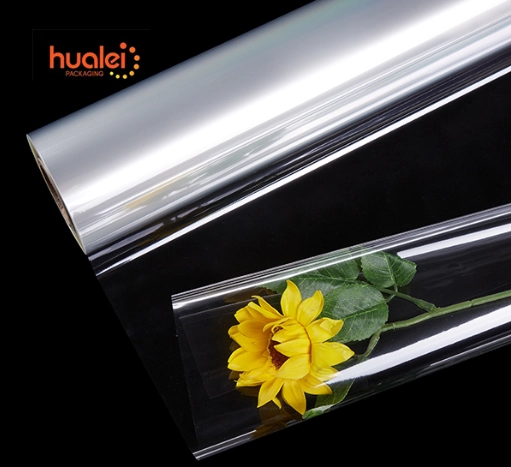
BOPP means Biaxially Oriented Polypropylene. The phrase “biaxially oriented” refers to the way the film gets pulled in both the machine direction and across the width during its creation. This method lines up the molecular chains. As a result, it boosts strength, durability, and sharpness. You end up with a slim, crystal-clear sheet that’s tougher than it seems.
The film stays free of toxins, smells, and flavors. That makes it fit for touching food right away. You’ll spot it in self-stick clothing bags, food coverings, office supply covers, and clear pouches. In everyday use, it’s that spotless and shiny layer. It blocks dust, dampness, and air from your items. At the same time, it adds a high-end touch.
How Is BOPP Film Produced?
Making BOPP film might sound complex. But the concept is simple enough. First, polypropylene resin pellets melt down. Then they push out through a flat die onto a cooling roller. The sheet chills fast. This sets the molecules in their spots before any pulling happens. Next comes the main part: stretching in two directions, one along the length, then the other across.
In this stage, the film hits thicknesses from 10 to 60 microns. It all depends on what it’s for. Take a 15-micron version, for example. It often pairs with paper for book covers. Heavier ones at 35 microns might work as industrial roll film packaging. Before it rolls up, the film gets corona treatment. That’s when high-voltage power changes the outer layer. It helps ink and glue stick better. Last, it rests to ease built-up tension. Then it trims into rolls set for printing or joining with other layers.
What Are the Main Properties of BOPP Film?
If you’re checking out packaging options, BOPP film ticks many needs.
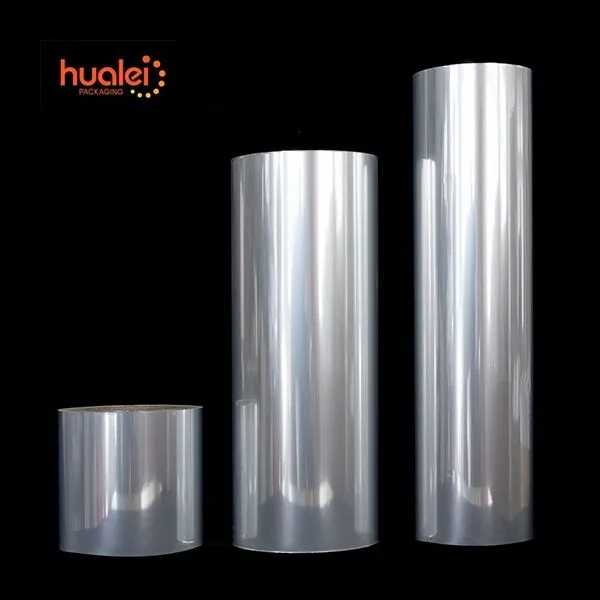
- Clarity and Gloss: It offers see-through quality over 90%. Items look fresh and bright. Sweets, cookies, and tiny gadgets all gain from this open view.
- Tensile Strength: The two-way pull gives solid pull resistance. It stops rips and holes while moving goods around.
- Moisture Barrier: The sheet blocks water in and holds freshness out. That’s why it leads in chip and bread wraps.
- Chemical Resistance: It holds steady against acids, salts, or light cleaners. This works well for makeup and chem tags.
- Print Quality: Once treated on the surface, it takes crisp words and bold shades. That’s the reason brands pick it for tags and outer layers.
- Recyclability: Built from polypropylene, it joins back into PP reuse paths without issues.
Which Types of BOPP Films Are Commonly Used?
BOPP film doesn’t come in just one style. Makers adjust traits by tweaking outer coats or mixing in extras. Here are some usual kinds:
- Glossy Film: It’s clear and even, perfect for joining and marking.
- Matte Film: It has a gentle, paper-feel surface. This suits notebooks, files, and fancy item wraps.
- Metallized Film: It gets a thin aluminum coat in a vacuum. That builds strong block layers. You see it in coffee and treat bags.
- Pearlescent Film: White, non-see-through, and shiny. It fits luxury bars or sweets.
- Heat-Seal Film: Seals on one or both sides for meals and tech packs.
- Anti-Fog Film: Stops water drops on veggie or green wraps.
- Laser Holographic Film: Brings safe patterns and sparkly looks to present boxes or marked packs.
- Electrical Film: Slim, non-conducting BOPP sheets for power holders or cover materials.
All these draw from the same root—polypropylene pulled just right. Each one fits a unique role. But they keep the core perks. For instance, glossy types shine in retail displays. Matte ones soften the feel for books. Metallized builds walls against air and light. Pearlescent adds a touch of class to daily goods. Heat-seal joins fast in factories. Anti-fog keeps views clear in fridges. Holographic fights fakes in markets. Electrical holds charge in devices. This range lets users pick exact matches for their tasks.
How Is BOPP Film Applied in Different Industries?
BOPP film pops up in daily life. You often miss it at first glance. Let’s check the spots where it works best.
Food Packaging
Chip sacks, cookie packs, grain bites, and loaf covers tend to use joined BOPP setups. The sheet’s water block keeps eats crunchy. Its mark-friendly side boosts store draw. Plus, it fights fats and oils. That picks it for oven treats and quick-buy items. In busy markets, these packs stack high. They catch eyes with bright prints. And they last through shelf time without wilting.
Labeling and Printing
Tags on hair wash jugs, drink cans, and reading mags lean on BOPP’s steady nature and sharpness. It fights pulls and wet harm. So it keeps tidy in steamy spots. Printers love how colors pop on it. Designers craft logos that stick out. And it bends without creasing on curved bottles.
Industrial and Electronic Applications
For tech gear, BOPP acts as a shield and cover sheet. In packing lines, it backs sticky tapes or guards screens and parts. Its pull and size hold make it sure in machine wraps. Factories run fast with it. No jams or breaks. And it cuts waste in auto lines.
Textile and Apparel Packaging
See-through shirt bags from BOPP give show and guard. Say an 18 × 30 cm bag at 25 micron thick. It hugs a creased tee tight. Yet it keeps form on trips. Shops use these to stack clothes neat. Buyers see colors true. And shipping stays cheap with light weight.
Decorative and Gift Packaging
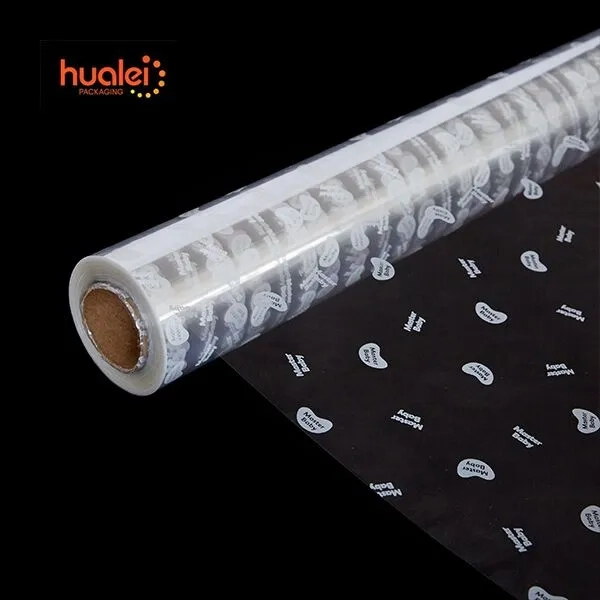
Spotted or heart-marked BOPP bags bring fun to presents and oven goods. Printed sheets like these thrive in shops and web stores. They cost little but look sharp. Tie a ribbon, and it’s ready for holidays. Or fill with treats for parties.
Medical and Pharmaceutical Uses
Since BOPP lacks scents and harms, it suits wrapping health tools, pill packs, and clean items. Labs seal samples safe. Stores bag meds tight. And it meets rules for touch-safe goods. No leaks or taints.
If you look at Hualei’s news section or blog page, case studies show tweaks for local packs in Africa and South America. They adapt to tastes there. Like thicker wraps for dusty roads. Or prints in bright hues for markets.
What Is Driving the BOPP Film Market Growth?
The worldwide BOPP film trade rises at a steady pace. Experts see about 6% yearly bump until 2031. The big push comes from swapping hard boxes for bendy, light packs. As online sales spread and meal ships stretch far, firms want sheets that guard yet trim bills.
Asia tops making, with China and India in front. They have firm oil chem links and top pull gear. Europe and the US stress strong-block and green types. Reuse sheets and plant-based PP draw eyes as green rules grow strict. Buyers chase tweaks too. Solid makers like Yiwu Hualei Packaging offer fit thickness, scale, and marks for fields from clothes to sweets. This flex keeps demand high. E-com booms need fast packs. Food chains seek long-hold freshness. And green shifts favor reuse loops. All feed the climb.
Why Should You Choose BOPP Film for Packaging?
If you want stuff that mixes toughness, sharpness, and price, BOPP film delivers. It slots easy into mark, join, or heat-join setups. It’s light too, cutting ship loads sans lost guard.
Next to PET or PVC, BOPP gives close shine for less cash. Its reuse edge helps firms hit green aims. Pair it with CPP or PE coats, and it takes heat seals or boil packs fine. In short, it’s a smart pick for most needs. Factories save on tools. Brands boost looks. And end users get safe hauls.
If you’re hunting a source for steady bendy packs, peek at Yiwu Hualei’s contact page. They take big runs and custom marks. Plus, they hit quick ship times.
FAQ
Q1: What makes BOPP film different from regular polypropylene film?
A: Regular polypropylene film skips the pull step. So it’s softer and less clear. BOPP pulls in two ways. That grants more pull hold, sharpness, and size steadiness.
Q2: Can BOPP film be used for frozen food packaging?
A: Sure. Layer it with fits like CPP or PE. Then it takes cold chills and wet well. It shines for freeze and chill eats.
Q3: Is BOPP film environmentally friendly?
A: It reuses in the PP loop. And some makers test plant PP for greener steps.
Q4: What is the usual thickness range for packaging applications?
A: Most trade BOPP hits 15 microns for marked covers to 40 microns for firm bags or roll base. Special power or fake paper types go thicker.